
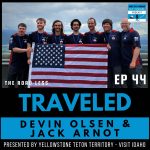

Dry fly fishing can look simple from the outside. Match the hatch, make a clean cast, and watch the eat. But once you dig into how top competitors approach it, you realize it’s not about the fly nearly as much as everything around it.
In this episode, I sat down with Devin Olsen and Jack Arnot to break down what they’re doing differently, especially with the Spanish dry fly system. This one gets into leader design, casting control, and why simplifying your flies might actually help you catch more fish.
If you’ve ever struggled with drag, picky fish, or missed eats on dries, this one will open your eyes.


Find the show: Follow the Show | Overcast | Spotify
Show Notes with Devin Olsen and Jack Arnot on Competitive Dry Fly Fishing
About the Guests
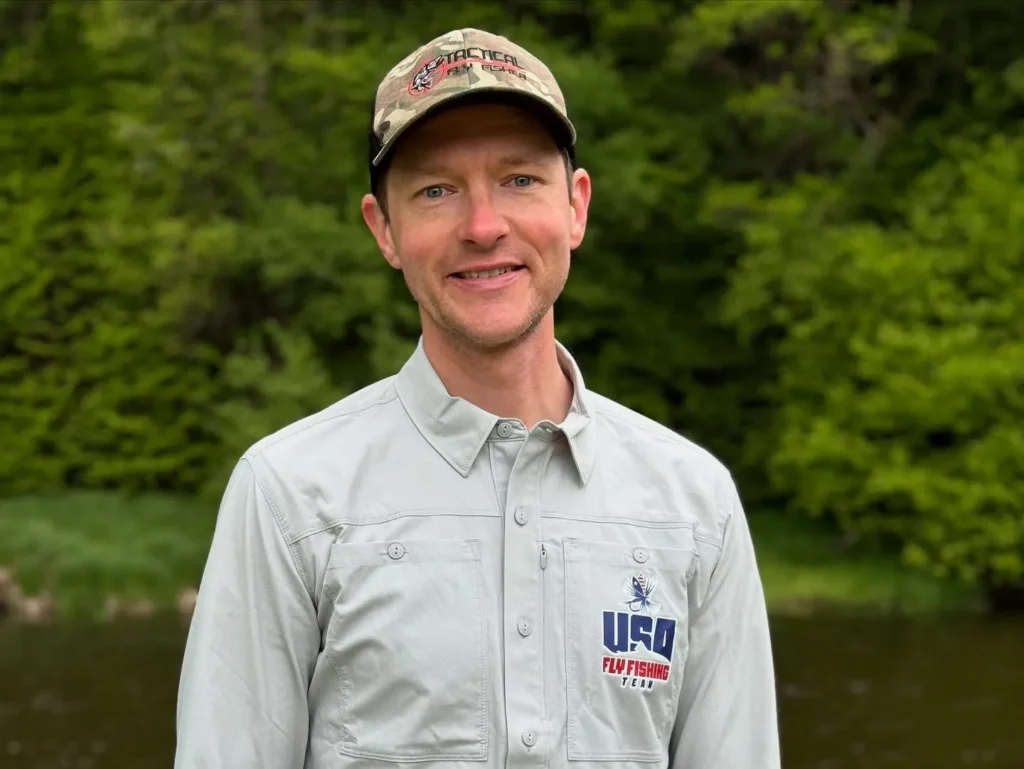
Devin Olsen is one of the most accomplished competitive anglers in the U.S., known for his technical approach and deep understanding of fly fishing systems. He’s also behind educational content and gear through his work in the industry.
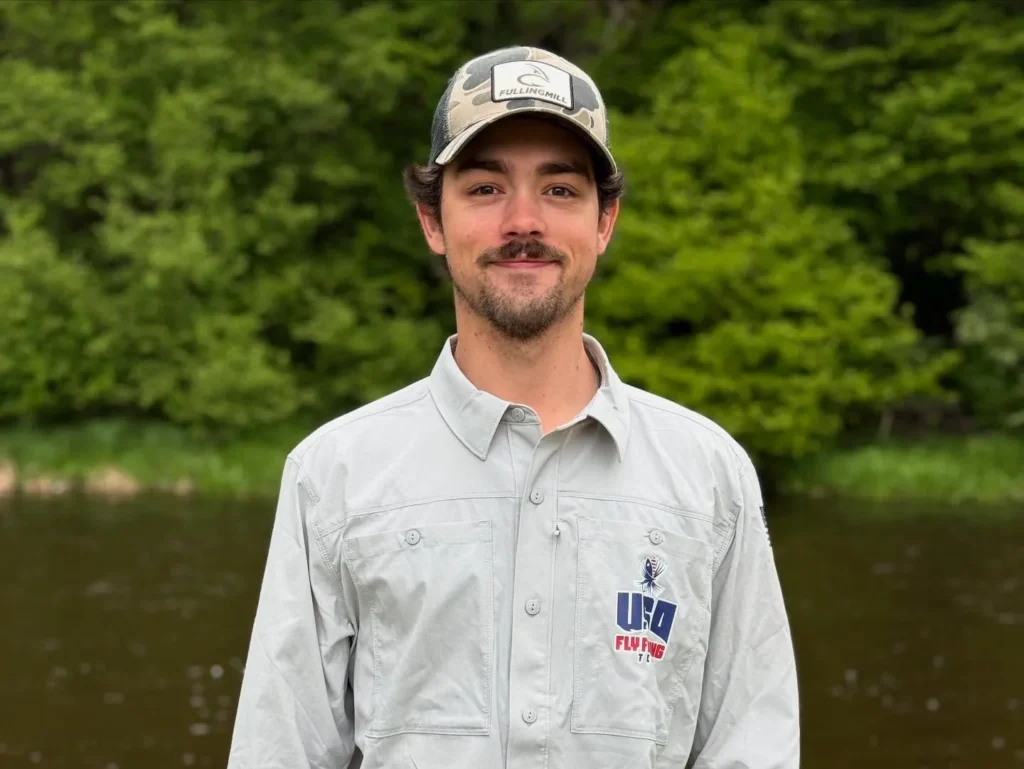
Jack Arnot is a rising force in competitive fly fishing, bringing a thoughtful and adaptable approach to both dry fly and nymph techniques. He’s been refining this system through years of competition and international experience.
Why Dry Fly Fishing is Misunderstood
Most anglers think competition fishing is all about nymphing. But dry fly fishing often becomes critical late in sessions when fish have seen everything.
That’s when skill really shows. Fishing a single dry fly in tough conditions separates average anglers from top performers.
- Dry flies shine when fish are pressured
- Often used in later competition sessions
- Requires full commitment and focus
The Core Problem: Drag and Visibility
At the highest level, dry fly fishing is about eliminating drag and hiding everything except the fly. Traditional upstream or downstream approaches both create issues. Fish often see the tippet first or feel tension before eating. That tiny movement is enough to refuse or miss the fly.
- Goal: true dead drift
- Avoid tippet drag and visibility
- Reduce tension before the eat
The Spanish Dry Fly System Explained
Devin breaks down what he calls the “Spanish dry fly system,” developed by Pablo Castro Pinos.
It uses a long leader and a sidearm cast to create a “J” shape on the water. This allows the fly to drift naturally with total slack.
- 19–20 ft leader
- Sidearm cast forming a “J” shape
- Fly lands first, tippet trails behind
- Eliminates need for heavy mending
Why You Should Almost Never Mend
Mending pulls slack out of the system and slack is everything here. Instead of fixing drag after the cast, this system builds the perfect drift from the start.
- Minimal to zero mending
- More time with fly in the water
- Better drift across complex currents
The Perfect Setup: Rod, Line, and Leader
This system depends heavily on matching your rod and line correctly. Devin learned this the hard way after a trip to Spain where his gear didn’t match the system.
- Fast action 3–4 weight rod
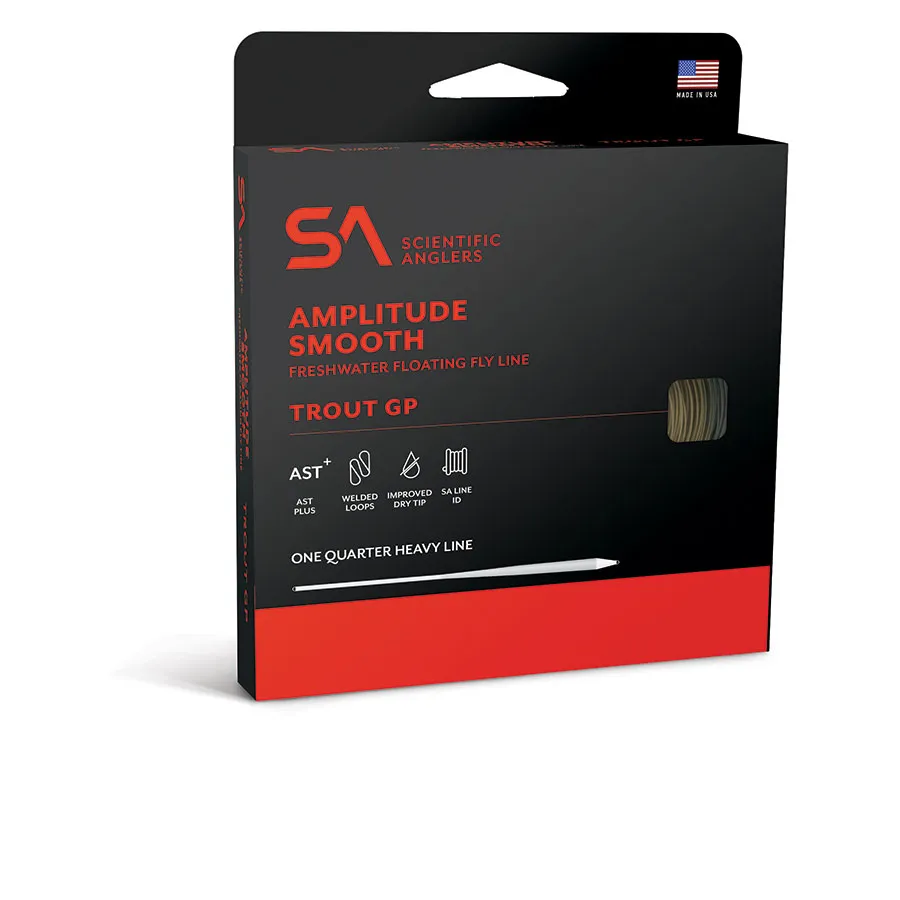
- Underweighted fly line (often 2-weight)
- Long tapered leader to 7X tippet
Why Leader Length Changes Everything
A difference of just two feet in leader length can completely change performance. Shorter leaders increase turnover and bring your line closer to the fish—leading to more spooking and less control.
- Ideal: ~20 ft leader
- Controls energy transfer
- Keeps fly line away from fish
Fly Design: Simple Beats Perfect
This might surprise a lot of anglers. Matching the hatch exactly isn’t the priority.Instead, Devin and Jack rely on simple, impressionistic flies that land well and drift naturally.
- CDC split-wing dries dominate
- Minimal materials (often 1–2)
- Focus on size and color, not exact match
- Hare’s ear dry variants
- CDC mayflies
- Simple terrestrials
Adjusting for Fly Size and Conditions
Different flies require slight adjustments in casting and leader setup.
Bigger flies create more drag in the air, while small flies need more finesse and longer tippet.
- Shorten leader slightly for larger flies
- Lengthen tippet for small flies
- Adjust casting stroke based on fly size
Positioning Over Power
Big casts don’t win competitions; positioning does. Getting closer to the fish reduces complexity and improves drift, hook-ups, and control.
- Ideal range: 20–40 feet
- Avoid long bomb casts
- Focus on approach and angle
Hook Set and Casting Tips
Hooking fish with this system requires a different mindset. Instead of lifting the rod, you drive it low and downstream to keep tension.
- Set hook low and downstream
- Keep rod tip near water
- Focus on tight, controlled loops
The 2026 World Championships in Idaho
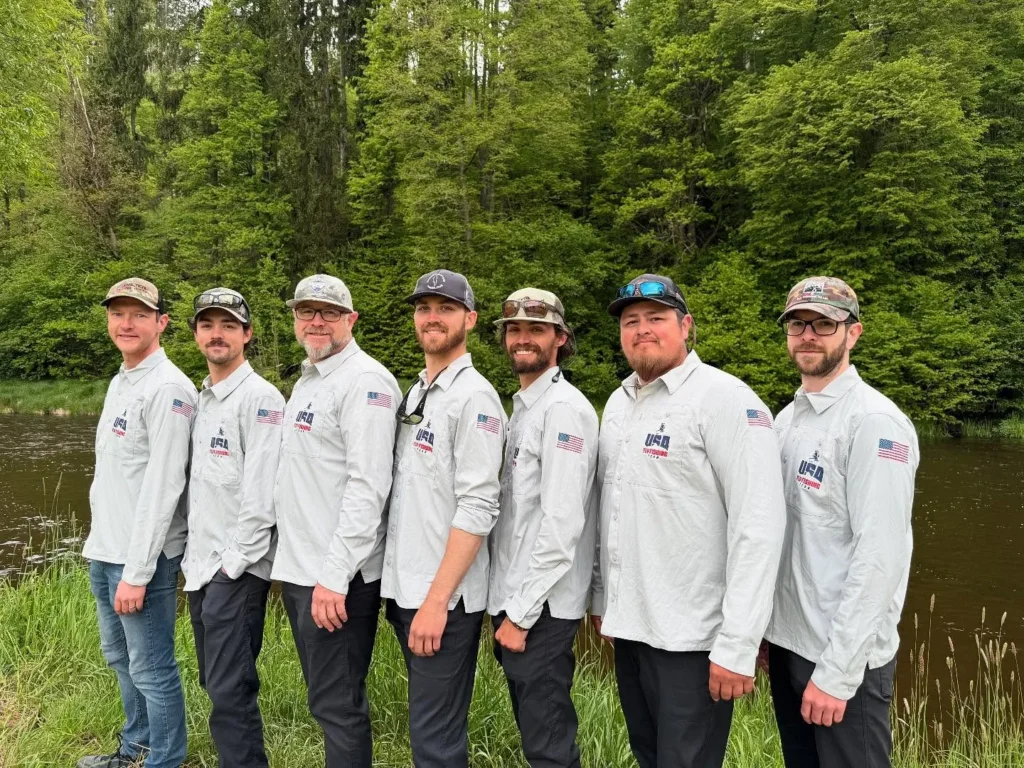
Devin and Jack are preparing for the upcoming Fly Fishing World Championships in eastern Idaho. You can actually get involved as a volunteer “controller” and watch world-class anglers up close.
- Volunteer as a controller
- Spectate respectfully from a distance
- Learn by watching top anglers
You can email Devin at [email protected] to sign up as a volunteer for their upcoming world championship.
You can find Devin and Jack on Instagram @tactical_flyfisher and @jackarnot.
And Team USA @flyfishingteamusa
YouTube at Tactical Fly Fisher
Visit Team USA’s website at FlyFishingTeamUSA.com

Conclusion with Devin Olsen and Jack Arnot on Competitive Dry Fly Fishing
This one really flips the script on dry fly fishing. It’s not about perfect imitation; it’s about control, presentation, and eliminating variables. If you take anything away from this episode, it’s this: simplify your flies, refine your cast, and focus on the drift.