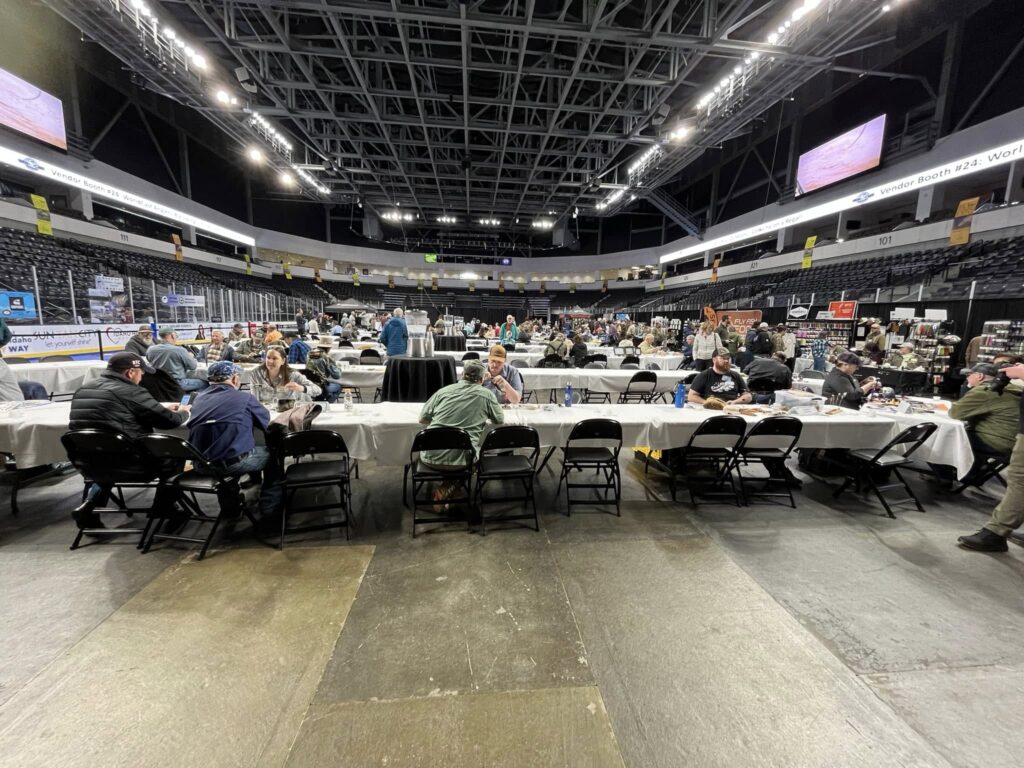

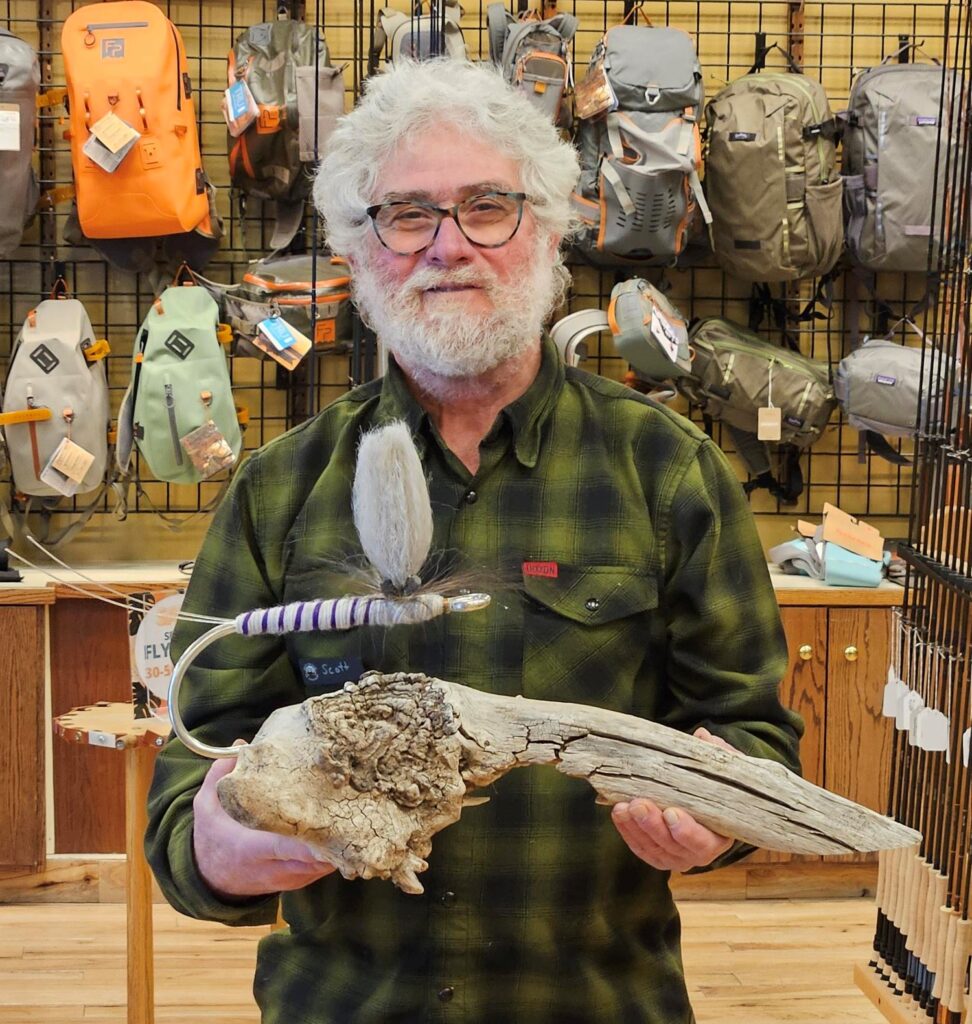
This Traveled episode connects with conversations sparked by the East Idaho Fly Tying Expo, where anglers gather to share patterns, techniques, and ideas that shape how we fish. Scott Sanchez joins us to break down one of the most important — and often misunderstood — feeding windows in fly fishing: the emerger stage.
We dig into how trout feed in the surface film, how to read rise forms correctly, and why classic wet flies and soft hackles remain so effective when fish aren’t fully committing to dries. It’s a thoughtful, observation-driven discussion rooted in time at the vise and on the water, and a reminder that good fishing starts with paying attention.


Find the show: Follow the Show | Overcast | Spotify
Episode Recap
00:00 – 03:42 — Setting the Scene at the East Idaho Fly Tying Expo
Dave opens the episode from the East Idaho Fly Tying Expo, explaining why fly tying shows are ideal places for deeper conversations about bugs, behavior, and how trout really feed.

03:42 – 05:16 — Why Trout Behavior Matters More Than Fly Choice
Scott explains why anglers often focus too much on patterns and not enough on understanding how trout are feeding, especially during transitional insect stages.
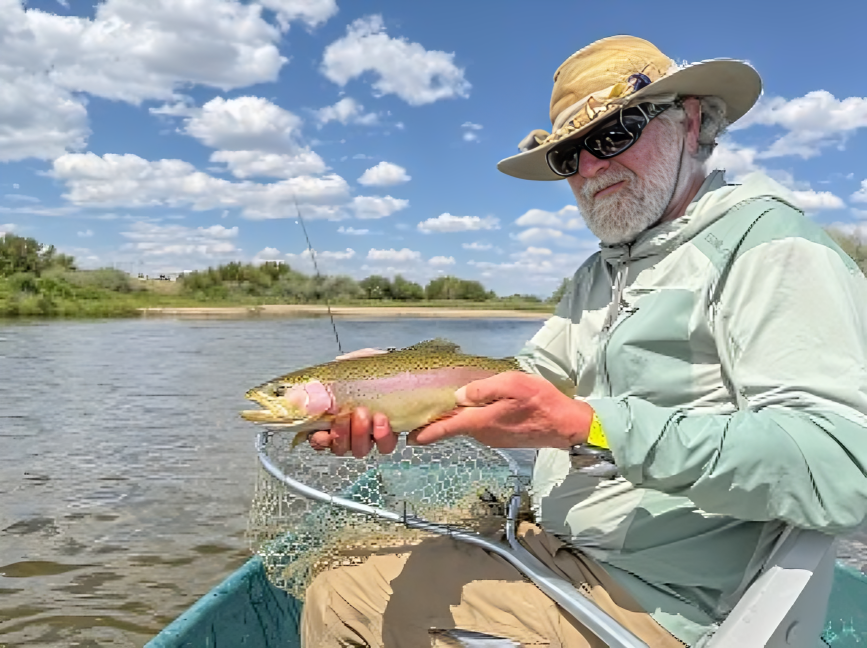
05:16 – 07:08 — Emergers Explained: Why Trout Key on the Surface Film
A clear breakdown of the emerger stage—how insects move from larva to adult, why many get trapped in the surface film, and why this makes them easy, energy-efficient targets for trout.
07:08 – 07:44 — Reading Rise Forms: Nose vs Dorsal Fin
Scott teaches how to tell what trout are eating by watching their rise forms, explaining the visual difference between surface feeding and emerger feeding.
07:44 – 08:30 — Energy Economics: Why Big Trout Eat the Easy Meal
A discussion on trout efficiency—why the biggest fish often conserve energy by feeding on vulnerable insects instead of chasing harder prey.
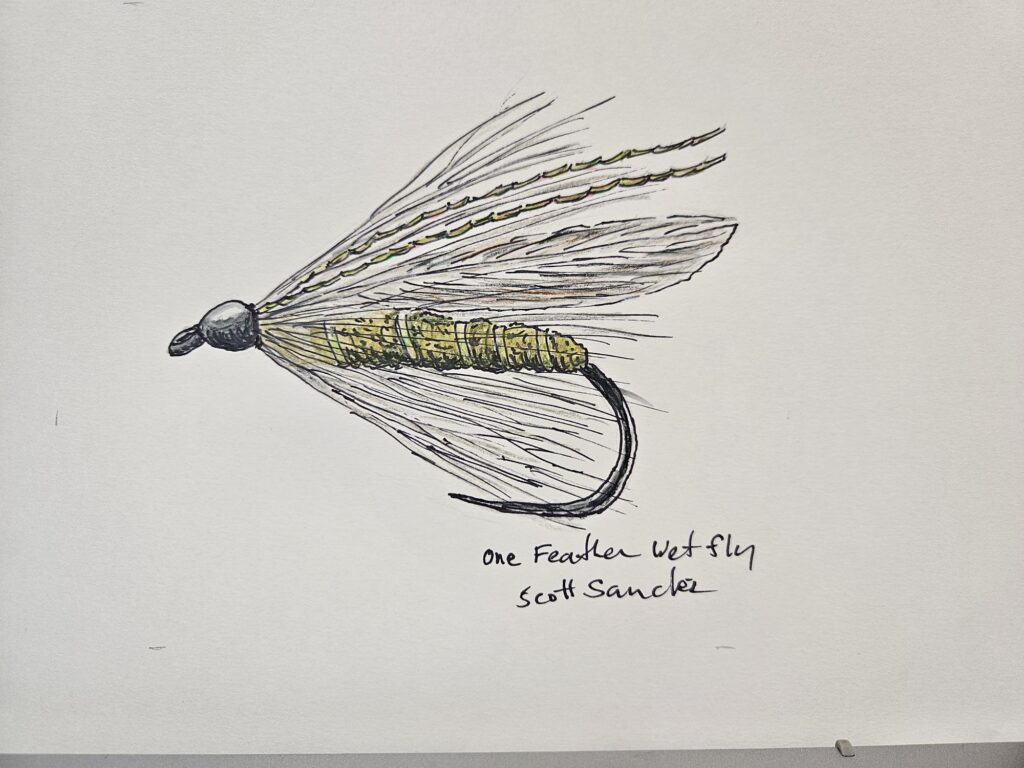
08:30 – 08:59 — Why Classic Wet Flies and Soft Hackles Still Work
Scott explains why traditional wet flies excel during emerger windows, when insects look similar and movement matters more than perfect imitation.
08:59 – 10:12 — Movement Over Detail During Transitional Hatches
Why trout are less selective during transitions, how “looking alive” beats exact matching, and what this means for fly design and presentation.
10:12 – 12:06 — Where Emergers Collect in the River
A practical look at river structure—seams, foam lines, and surface tension zones—and why these areas concentrate emergers and feeding trout.
12:06 – 14:20 — Knowing When to Change Tactics
Scott explains how missed takes, subtle rises, and frustration feeds signal when it’s time to switch from dries to emergers or wet flies.
14:20 – End — Final Lessons from the Expo and the Water
Closing thoughts on slowing down, observing first, and how conversations at fly tying expos reinforce fundamentals that make anglers more effective everywhere.