


In this episode, we sit down with Joe Clark of Trout Yeah Guide Service to talk about his trout bum life. Joe has guided everywhere from Steelhead Alley to Pennsylvania spring creeks, and he’s also coached Team USA Youth to three straight World Championship titles.
We dig into what it means to read new water with confidence, how to use drift angles instead of heavier flies, and why sensitivity and feel often matter more than the gear you’re holding. Joe also shares stories from Idaho, Montana, and the Kootenays, along with his own experiences living the trout bum lifestyle one creek and one van trip at a time. If you’re interested in becoming a more thoughtful angler and slowing down enough to see what the river is telling you, this episode has a lot to offer.


Find the show: Follow the Show | Overcast | Spotify

Show Notes with Joe Clark on The Trout Bum Life
Steelhead Alley in Fall
Joe talks about guiding in Steelhead Alley during the fall run. Some days are full of fish moving through and feel amazing. The next day can be slow and technical if the water drops. These creeks rely almost completely on rainfall, so water levels change fast. On high water days, fish spread out and move. When it drops, they slide into holes and hide under cover.
Many of these steelhead are hatchery fish, with a small number of wild fish showing up in the right streams. The system can be tough on young fish, especially in hot summers or icy winters, but steelhead are tough. They travel far and make the most of whatever water they get.
Team USA Youth: Putting in the Work
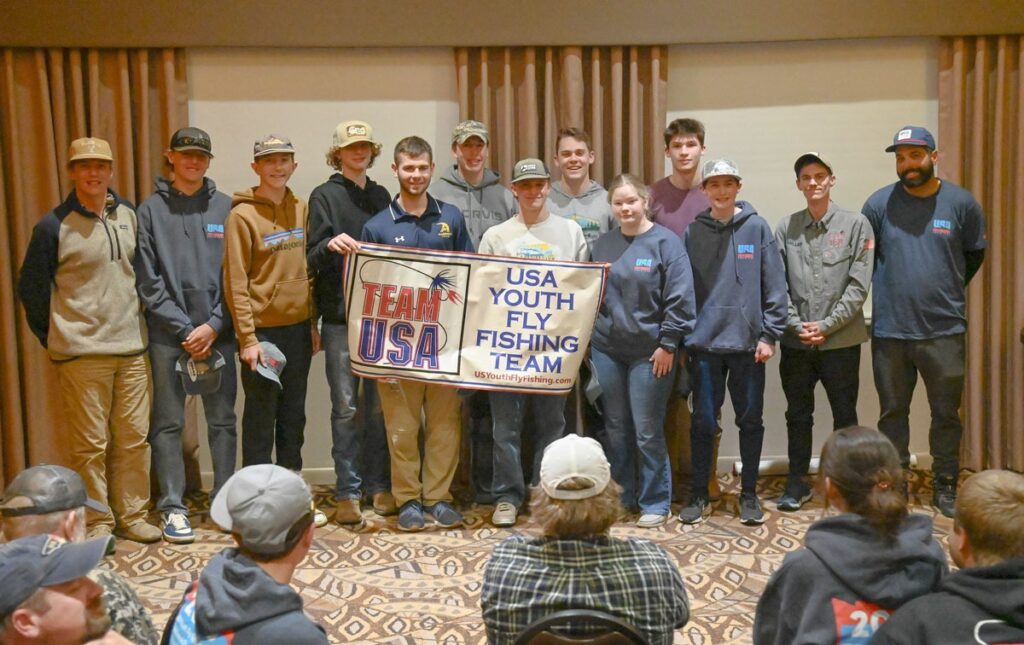
Joe talks about coaching the US Youth Fly Fishing Team and how hard the kids work. They practice on their own and as a team, building skills every week. Before the World Championship in Idaho, the team spent two weeks fishing from sunup to sundown, rotating rivers and even focusing on lakes to improve where they were weaker. They treated every session like practice fishing, not just fun fishing—gathering information, sharing it, and building multiple backup plans for different conditions. The effort paid off with another world title.
Fishing Pressured Water
Joe explains that when fish get pressured, the main focus is still a slow, clean drift. The plan doesn’t change much, but the fly choice might. Early on, fish may eat bigger or “flashier” flies. As pressure builds, switching to more natural-looking bugs can help. Joe also talks about the mop fly. It doesn’t sink fast, so it stays in the fish’s view longer. It moves a little in the current and can help fix a drift without adding weight. The key idea Joe repeats: presentation comes first. Fly pattern comes second.
Why Pennsylvania Fish Are So Smart
Joe jokes that Pennsylvania fish “went to Penn State.” The real reason is pressure. There are a lot of skilled anglers in the state, and the fish see many different presentations. That makes them cautious and tougher to fool. When Joe compares Pennsylvania to places like the Henry’s Fork in Idaho, he says they feel completely different. Henry’s Fork is a big tailwater with powerful flows and rough access, where just getting to the water can be hard. Pennsylvania streams are smaller and easier to reach, but the fish make you work for every take.
How Joe Teaches Reading New Water
Joe says the first step in reading water is knowing what kind of fish you’re dealing with. Are they wild or stocked?
- Stocked fish often hold in obvious holes or near stocking points.
- Wild fish spread out more and choose water that fits their comfort and survival needs.
Then he looks at the season and conditions.
Cold weather → slower, deeper water.
Spring with bugs hatching → fish move into riffles and faster runs.
Joe also pays attention to the angler’s skill level. He wants people to learn and feel successful, so he adjusts the location and difficulty based on their ability. The goal is simple: help people understand why fish are where they are, so they can apply it on their own later.
Let the Fish Decide
Joe explains that finding the right depth and drift isn’t about guessing—it’s about listening to the fish. He tries different drift angles and presentations, then pays attention to which one gets the best response. He says you can have a plan in your head, but the river might want something different that day. Joe also separates fun fishing (doing what feels good, like throwing dries) from practice fishing (trying different techniques on purpose to learn). The key is staying flexible and letting the fish show you what works.
A Hidden Gem in Northwest Montana
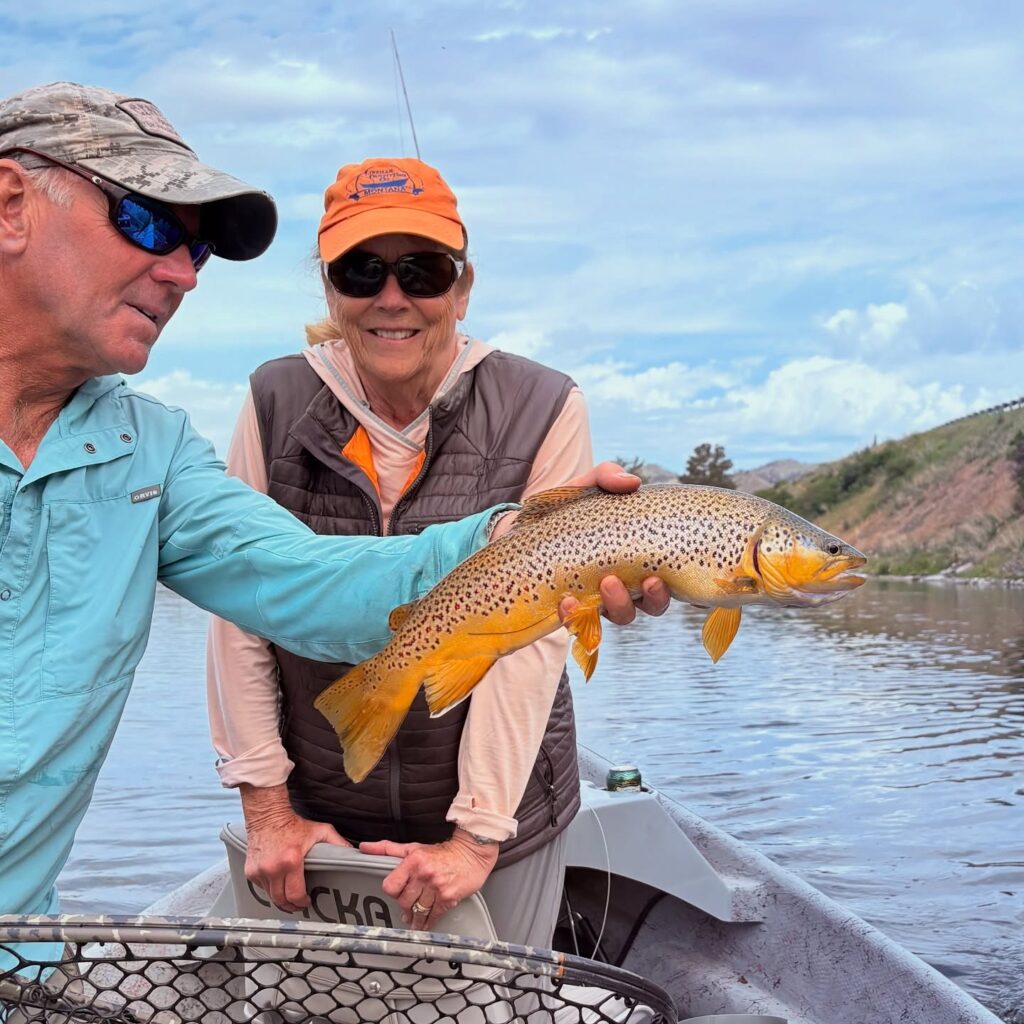
Joe shares a recent trip to Linehan Outfitters on the Kootenai River in Montana. The area is remote, quiet, and surprisingly under the radar. He didn’t see another angler all week—not even a bait setup on the bank. The river is a big tailwater with native rainbows, cutthroat, cutbows, and even bull trout. Joe describes seeing his first bull trout like spotting a freshwater shark, huge and powerful. They were able to fish dry flies, nymphs, and streamers, and all of them worked. What stood out most was the people. The lodge crew was welcoming, knowledgeable, and genuinely joyful, making the whole experience feel relaxed and family-oriented.
Van Life, Trout Bum Style
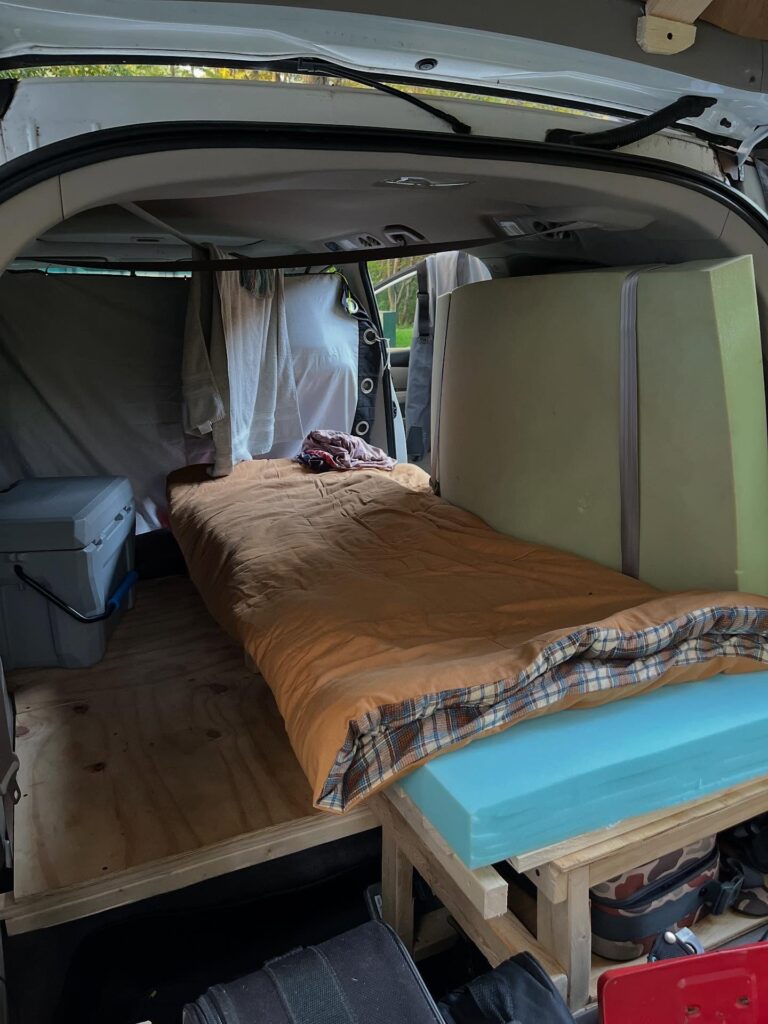
Joe doesn’t roll around in a big Sprinter van. He keeps it simple with a Honda Odyssey. No stickers, dark windows — total stealth mode. He removes the seats, builds a bed, and keeps just enough room for gear and a small fly tying spot. Before this he lived out of a Toyota Sienna and even a RAV4. He says it’s really just camping with wheels — sleep where the fishing is best, move when the river calls. In winter he switches to an apartment for steelhead season, but once spring hits, he’s back on the road, creek to creek, living the trout bum life.
The Popsicle Dry-Dropper Indicator
Joe explains his Popsicle fly — a dry fly that also works as a lightweight indicator. It’s tied with polyfill, a cheap and super buoyant material you can buy at Walmart. The fly floats high, stays visible, and keeps floating even after catching fish. It doesn’t imitate any specific bug — it’s basically a small, sensitive bobber that fish will still eat. Joe likes it because it lets fish pull the fly under easily, which gives you more time to set the hook. It’s simple to tie, easy to see, and works for new and experienced anglers.
You can find Joe Clark on Instagram @joetroutyeah.
Visit their website at TroutYeah.com.
