


Fishing big bugs isn’t just about throwing something large at the bank and hoping for an explosion. What really matters is precision, realism, and getting that fly exactly where it needs to be.
In this episode, I sat down with Ken Burkholder to dig into the details that separate a decent drift from one that actually gets eaten. We get into fly design, fishing tight banks, and why small tweaks can make a big difference when fish are locked in. Ken brings decades of experience from the South Fork of the Snake, plus a deep background in fly design with Fulling Mill. This one covers everything from stoneflies to cicadas and a whole lot in between.


Find the show: Follow the Show | Overcast | Spotify
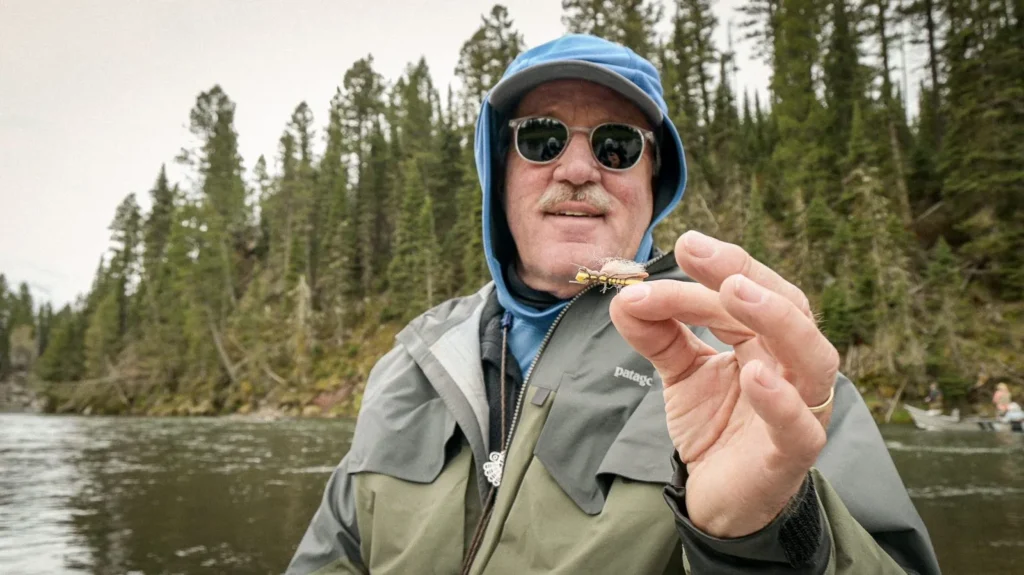
Show Notes with Ken Burkholder on How to Fish Big Bugs
The Bearback Rider and Realistic Fly Design
Ken’s Bareback Rider came from a simple idea: make the fly match the real insect as closely as possible. That meant measuring actual bugs and dialing in proportions. He used macro photography and exact measurements to replicate stoneflies, especially golden stones.
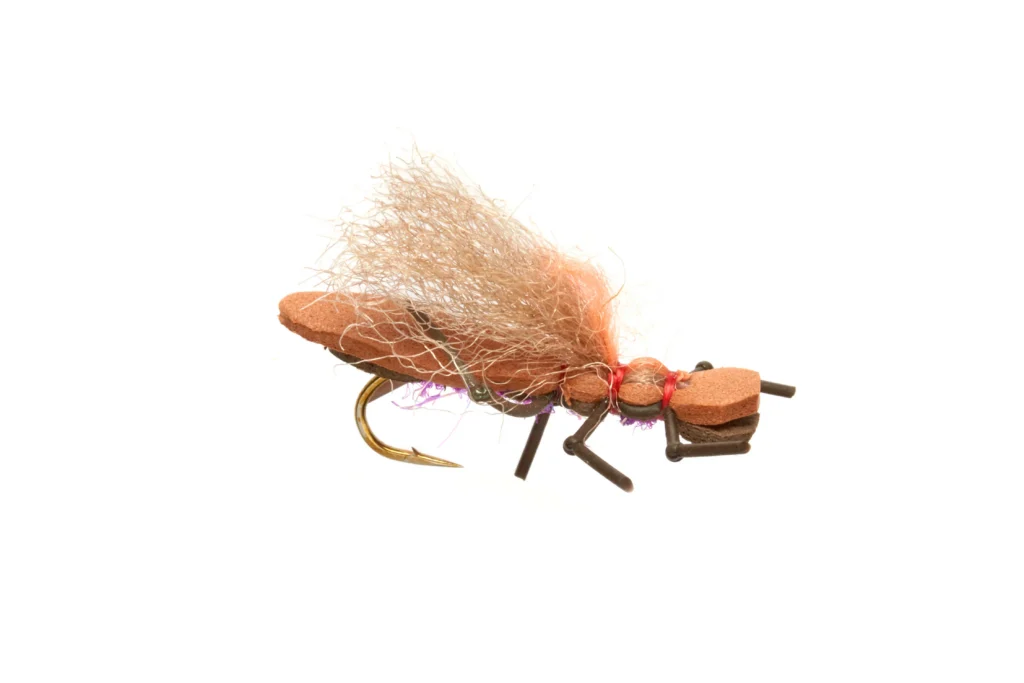
Key design elements:
- Anatomically correct leg placement
- Knotted silicone legs for realism
- Layered foam body for segmentation
- Bear hair wings for natural translucency
Why Ken Avoids the Dropper Rig
Fishing tight to the bank requires precision, and droppers get in the way. Ken avoids them entirely when targeting fish holding tight. When trout are tucked in close, accuracy matters more than depth coverage.
Why no dropper:
- Limits casting accuracy near banks
- Gets tangled in branches
- Reduces control in tight quarters
Fish holding “like a tick on a hound” demand a clean, single-fly presentation.
Snake River Strategy: Fishing the Banks vs Riffles
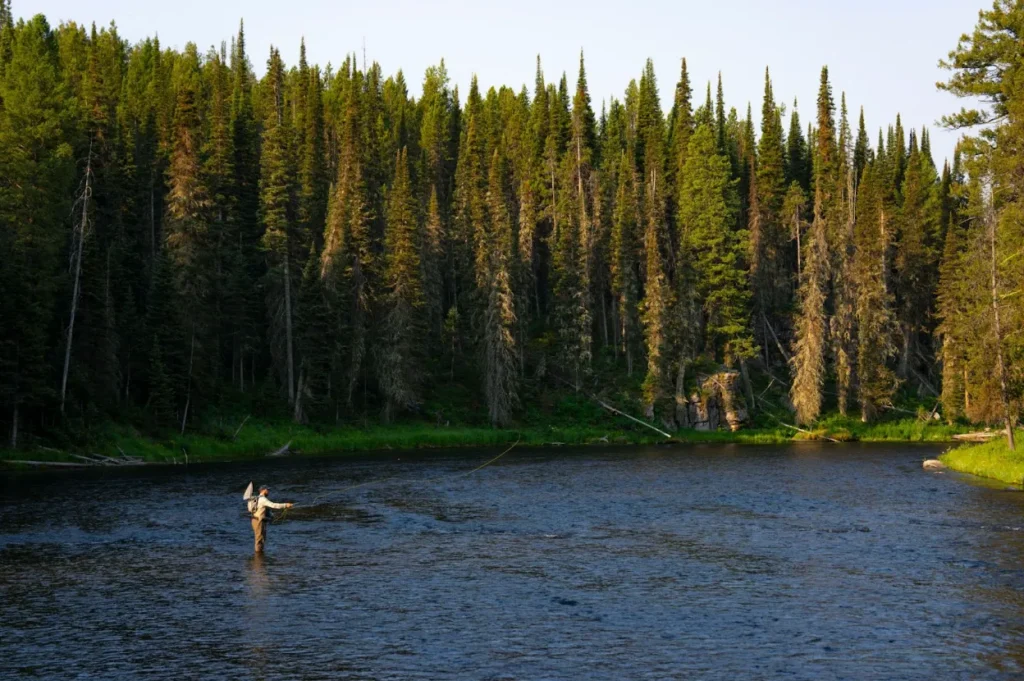
The South Fork of the Snake offers two distinct games: bank pounding and riffle fishing. Early in his career, Ken focused on riffles, earning the nickname “The Rifleman.” Now, he balances both approaches depending on conditions.
Two key zones:
- Banks: Big bugs, tight casts, explosive eats
- Riffles: PMDs, caddis, technical dry fly fishing
The real magic often happens at the transition from shallow to deep water.
The “Brown to Green” Transition
One of the biggest takeaways from this episode is reading water effectively. Fish often sit right where shallow “brown” water drops into deeper “green” water.
What to look for:
- Gravelly riffles (brown)
- Drop-offs into deeper runs (green)
- Fish holding just off the edge
This transition zone is where trout intercept drifting insects.
Salmonflies vs Golden Stones
Most anglers reach for salmonfly patterns during the hatch, but Ken often does the opposite. Pressured fish start rejecting big flies and switch to smaller, more subtle golden stones.
Key differences:
- Salmonflies are larger and more visible
- Golden stones are smaller and often more effective
- Fish quickly get conditioned to big patterns
Fishing a golden during a salmonfly hatch can be the difference-maker.
Fishing Cripples During the Brown Drake Hatch
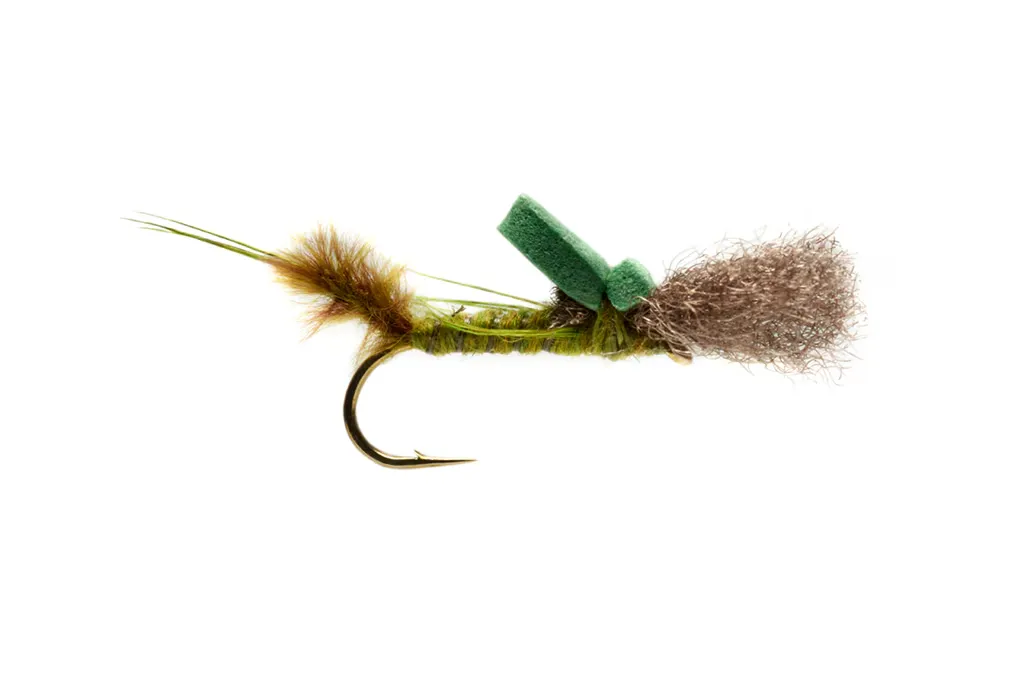
On Silver Creek, Ken focuses on cripple patterns early in the hatch. Fish key in on vulnerable insects that are stuck in the surface film.
How to fish it:
- Target rising fish
- Present just inches in front of the nose
- Add a slight twitch to trigger the eat
Timing is everything—this window happens right at the start of the hatch.
The PMD Puzzle and Matching the Hatch
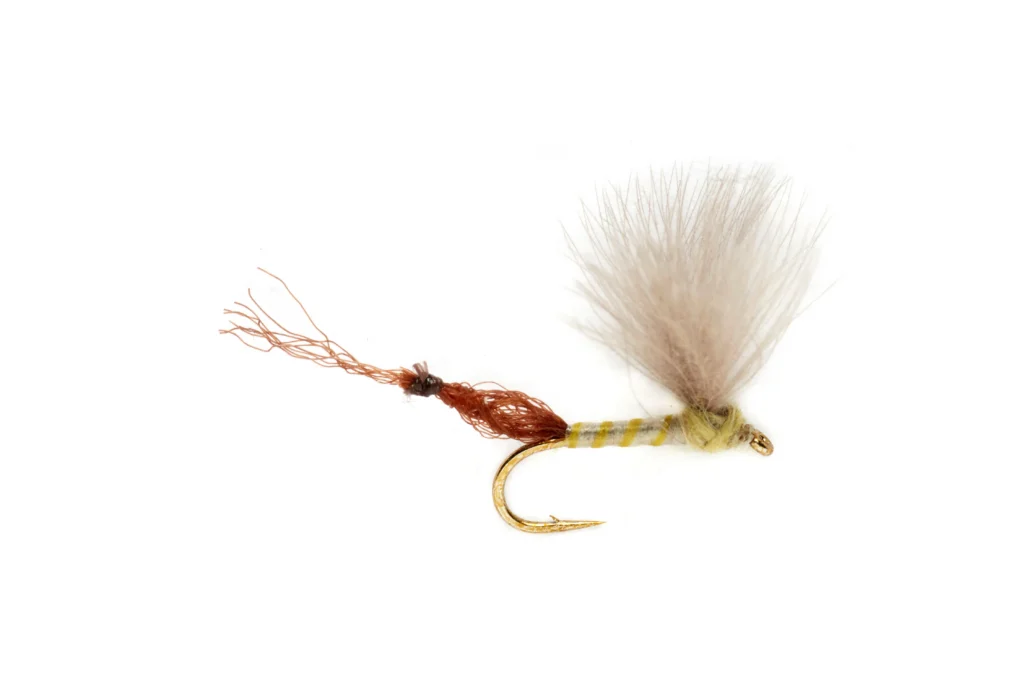
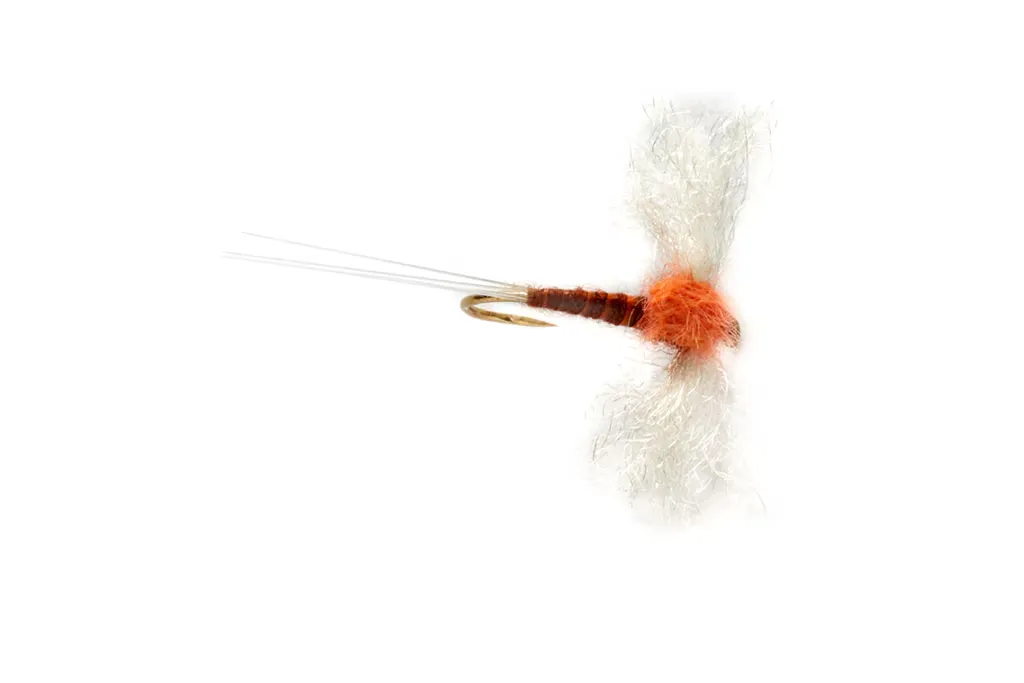
PMDs can be one of the toughest hatches to figure out. Fish shift quickly between emergers, duns, and spinners.
Important patterns:
- CDC emergers
- Dun patterns (short window)
- Rusty spinners for later in the day
One angler even won a tournament fishing only a rusty spinner all day.
The Chernobyl Ant and the Clausenia Hatch
The Chernobyl Ant wasn’t originally designed as a generic attractor. It imitates a specific stonefly. The Clausena hatch in late August is a major event across the West.
Why it works:
- Foam keeps it floating high
- Rubber legs create movement
- Twitching mimics natural behavior
This hatch is all about motion. Don’t dead drift it.
Cicada Fishing Out West
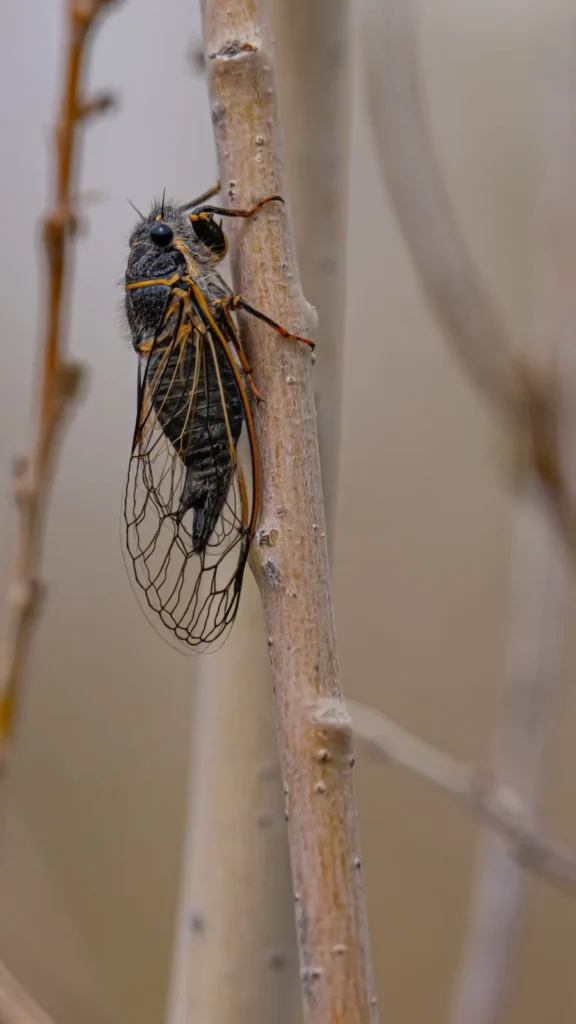
Cicadas aren’t just an East Coast phenomenon. They show up in Western rivers too. Ken has been fishing cicada patterns since high school, long before they were common.
Where to find them:
- South Fork of the Boise
- Green River below Flaming Gorge
Pattern features:
- Dark body with orange accents
- Realistic wings (organza or synthetic)
- High-floating profile
You can find Ken Burkholder on Instagram @kenburk55.
You can check out his flies at FullingMill.com.

Conclusion with Ken Burkholder on How to Fish Big Bugs
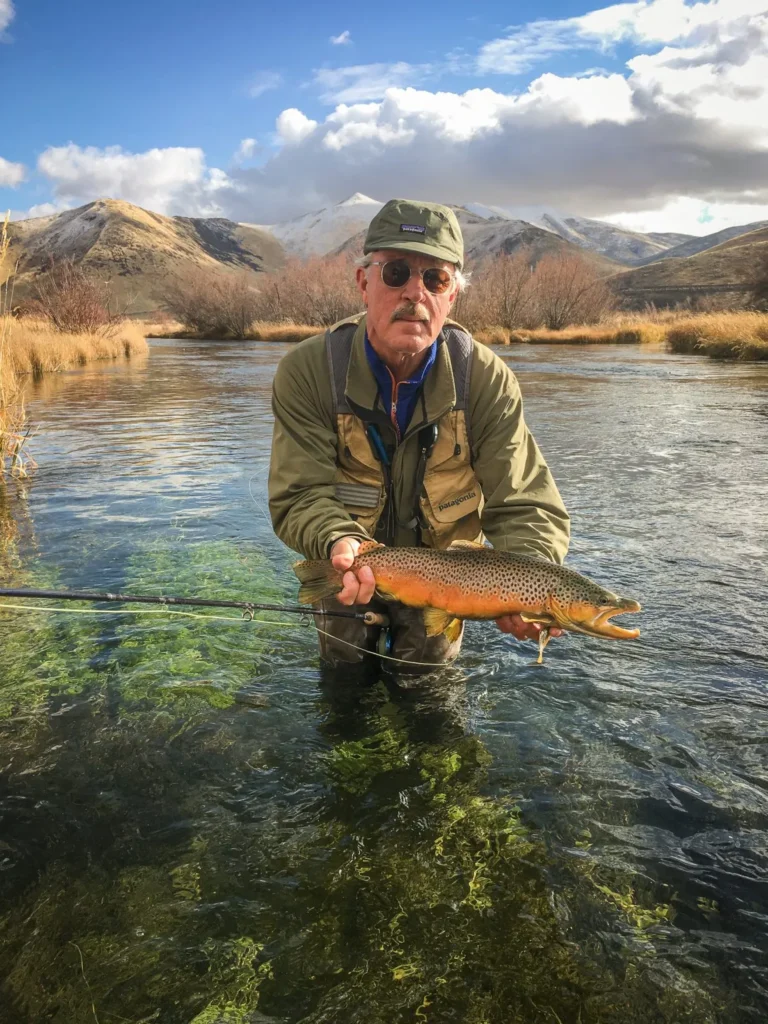
Ken brings a level of detail and precision that really makes you think differently about fly fishing. It’s not just about size or splash; it’s about placement, realism, and understanding what fish are actually doing.
This one is packed with small adjustments that can make a big difference next time you’re on the water.