
There are plenty of lakes where you can catch trout. Then there are lakes that challenge you to think differently every time you launch the boat. Henry’s Lake is one of those places, and that’s exactly why this Henry’s Lake Stillwater School is so exciting. With Phil Rowley and Darren Huntsman leading the way, this episode dives into the strategies that help anglers unlock not just one lake, but any stillwater they fish.
Henry’s Lake has long been known for producing some of the biggest trout in the West. From giant cutthroat-rainbow hybrids to brook trout and Yellowstone cutthroat, this shallow, fertile lake offers endless opportunities and endless puzzles to solve.
In this conversation, we break down seasonal fish behavior, water temperature, fly lines, retrieve strategies, and the lessons anglers can take home to their local waters.


Find the show: Follow the Show | Overcast | Spotify
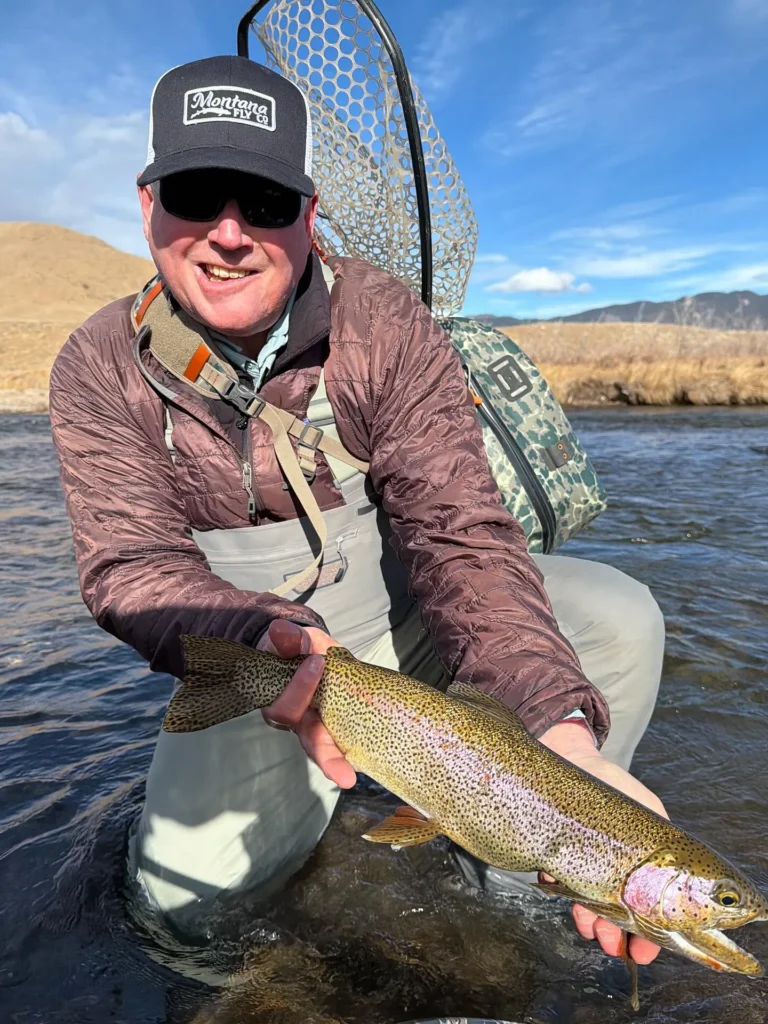
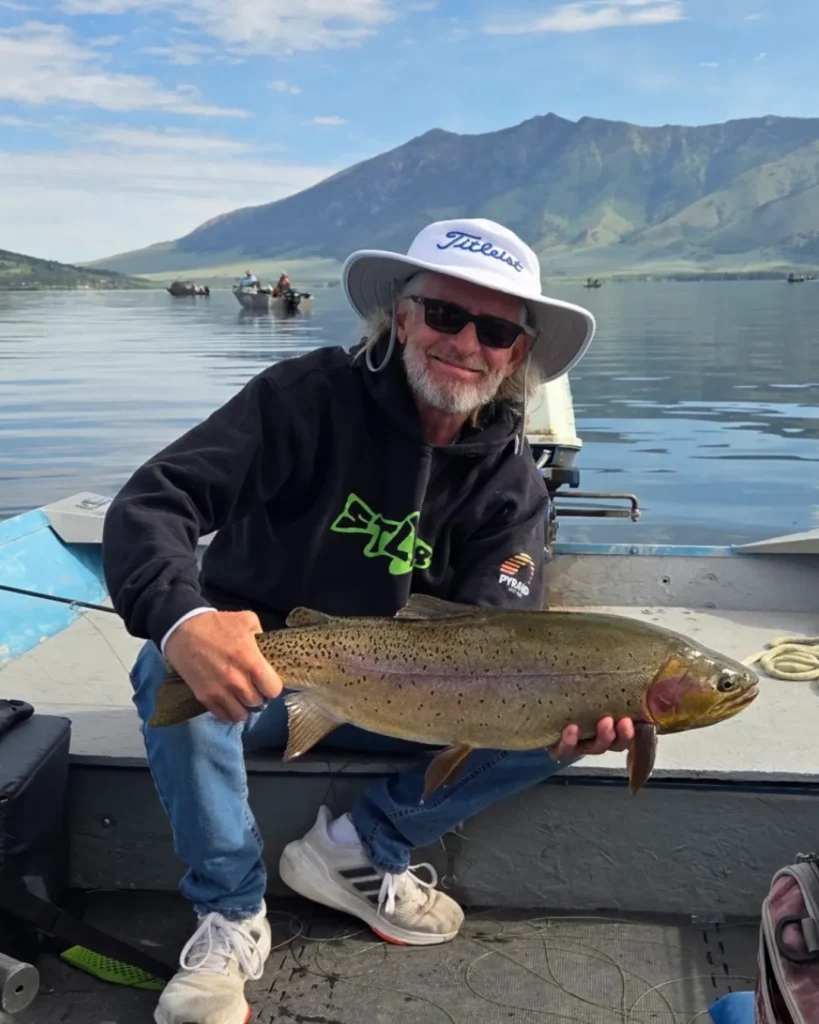
Show Notes with Phil and Darren on Henry’s Lake Stillwater School
About Phil Rowley and Darren Huntsman
Phil Rowley is one of the most respected stillwater educators in fly fishing. Through guiding, schools, hosted trips, writing, television appearances, and his work with The New Fly Fisher, Phil has helped countless anglers become more effective lake fishermen.
Darren Huntsman is a longtime Henry’s Lake expert whose local knowledge comes from decades spent studying the fishery. His ability to interpret seasonal changes and solve daily fishing puzzles has made him one of the most trusted stillwater anglers on the lake.
Together, they bring a combination of global experience and local expertise that makes the Henry’s Lake Stillwater School unique.
Why Henry’s Lake Continues to Produce Giant Trout
Henry’s Lake is a unique fishery because nearly the entire lake functions as productive trout habitat. With an average depth of roughly 12 feet and a maximum depth around 22 feet, fish have access to food almost everywhere they go. The lake supports:
- Yellowstone cutthroat trout
- Brook trout
- Cutthroat-rainbow hybrid trout (triploids)
Those hybrid trout are famous for reaching double-digit sizes. Darren noted that fish over seven pounds have already been showing up this season, with several fish reaching the ten-pound mark.
The Real Goal of the Stillwater School
One of the biggest themes throughout this episode is that the school is not about memorizing one lake. The goal is learning how to approach any stillwater and quickly solve the puzzle. Phil explains that the strategies they teach can be applied almost anywhere, regardless of whether you’re fishing Idaho, British Columbia, or your local lake.
Topics covered during the school include:
- Seasonal trout behavior
- Water temperature interpretation
- Fly line selection
- Retrieve strategies
- Depth control
- Fly pattern selection
- Reading new lakes
The school also provides direct access to Darren’s decades of local knowledge and Phil’s worldwide stillwater experience.
Why Water Temperature Matters More Than Anything
If Darren could check only one thing when launching the boat, it would be water temperature. It determines where fish hold, what they eat, and which techniques to start with. One key number kept coming up: 50°F
In spring, water temperatures moving above 50°F help trigger major insect hatches. In fall, temperatures dropping back through that range signal trout to begin aggressive feeding before winter.
During the school, anglers will learn how to use water temperature as a roadmap for finding productive water throughout the day.
Why Fall May Be the Best Time to Fish Henry’s Lake
The school takes place during one of Darren’s favorite periods of the season. As water temperatures cool, trout begin feeding heavily on:
- Scuds
- Leeches
- Immature damselflies
- Baitfish
- Newly stocked fry
The result is some of the most aggressive trout behavior of the year.
Another advantage is reduced predation pressure. Ospreys and pelicans begin leaving the area, allowing large trout to move into surprisingly shallow water with more confidence. This creates exciting opportunities to target trophy fish in only a few feet of water.
The Four Fly Lines You Need for Henry’s Lake
One of the most practical discussions in the episode centered on fly line selection. According to Darren, four lines will cover nearly every situation on Henry’s Lake:
- Floating line
- Hover line
- Intermediate line
- Type 3 sinking line
Phil and Darren both emphasized the importance of the hover line, which sinks at approximately one inch per second and allows anglers to fish effectively over shallow weeds while maintaining precise depth control.
Recommended setups:
- Indicator fishing: Floating line
- Shallow weed flats: Hover line
- General searching: Intermediate line
- Deeper presentations: Type 3 line
Understanding the Midge Tip Line
Phil spends significant time explaining why the midge tip line has become one of his favorite stillwater tools. Unlike a standard floating line, a midge tip includes a short sinking section at the front of the line. This allows anglers to:
- Maintain better contact with flies
- Fish effectively in light chop
- Reduce surface disturbance
- Present flies naturally at specific depths
Phil uses midge tip lines in both shallow and deep-water scenarios, including chironomid fishing in depths exceeding twenty feet.
Depth, Pattern, Retrieve: Solving the Stillwater Puzzle
One of the most valuable lessons from this episode is how Phil and Darren approach trout behavior.
Phil often teaches: Depth → Retrieve → Pattern
Get the fly to the fish first, then refine retrieve and fly selection.
Darren adds an important twist for Henry’s Lake: Depth → Pattern → Retrieve
Because Henry’s trout can become extremely selective, finding the exact fly pattern often becomes the critical piece of the puzzle. Small differences in size, color, or profile can completely change results. Examples included:
- Root beer vs. olive leech colors
- Small color accents
- Slight size changes
- Different chironomid finishes
The lesson is simple: once fish tell you what they want, believe them.
Indicator Fishing vs. Stripping Flies
Both Phil and Darren appreciate indicator fishing because it offers precise depth control and shortens the learning curve for newer anglers.
Advantages include:
- Easy depth adjustments
- Better control in deep water
- Great for chironomid fishing
- Excellent teaching tool
However, both anglers admit they personally love stripping flies.
As Darren puts it: “The tug is the drug.” Stripping flies allows anglers to actively cover water and trigger aggressive fish, especially during fall feeding periods.
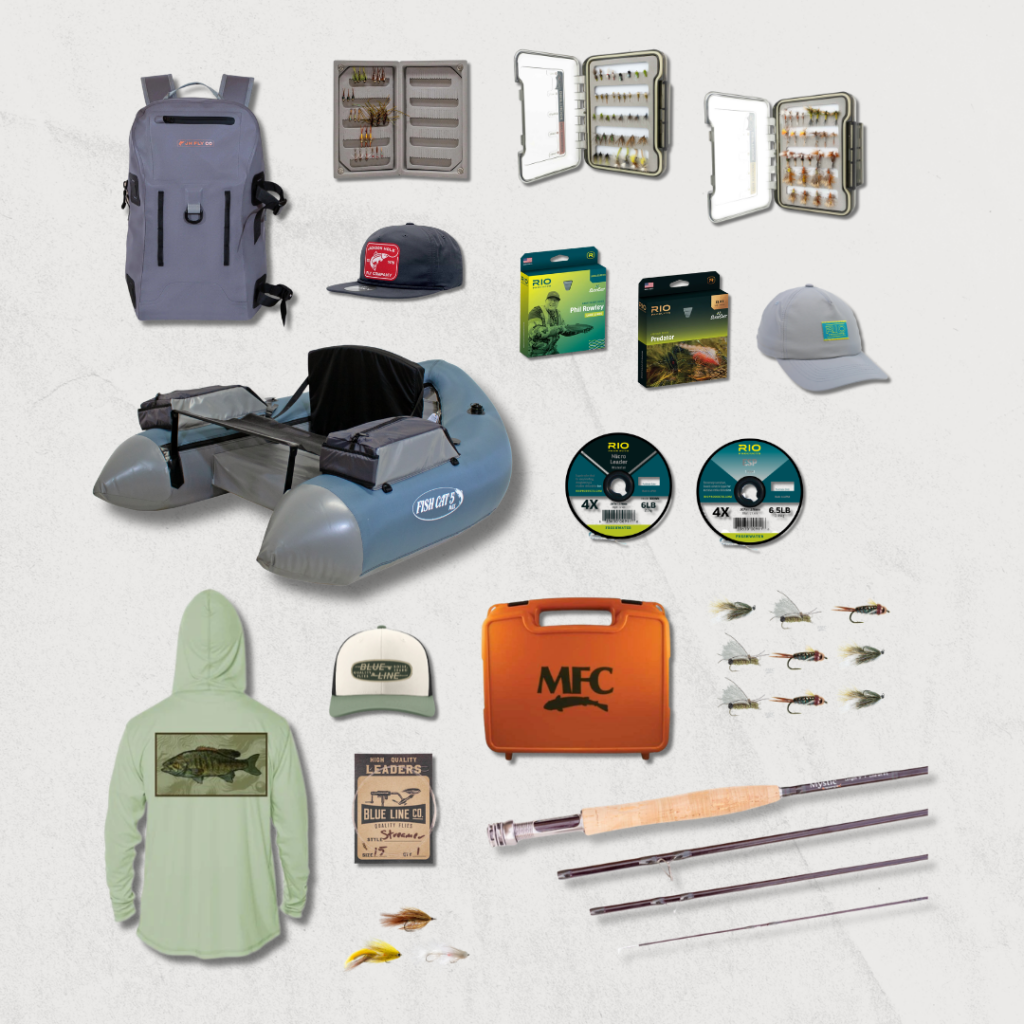
Stillwater Gear Package Giveaway
We have an ongoing giveaway where one lucky participant will win a premium stillwater gear package from our sponsors. The giveaway will run until July 1st. Click here to enter.
You can Phil and Darren on Instagram @philrowleyflyfishing and @stillwaterskeeter.
Visit Phil’s website at philrowleyflyfishing.com.