


Paul Bowen has spent over 50 years fly fishing and tying flies throughout eastern Idaho. From the South Fork of the Snake to Henrys Lake, Hebgen Lake, and a variety of lesser-known reservoirs, he’s developed a reputation for effective stillwater patterns and thoughtful fly design. This conversation covers his favorite lake tactics, fly modifications, and the long-running Eastern Idaho Fly Tying Expo.


Find the show: Follow the Show | Overcast | Spotify
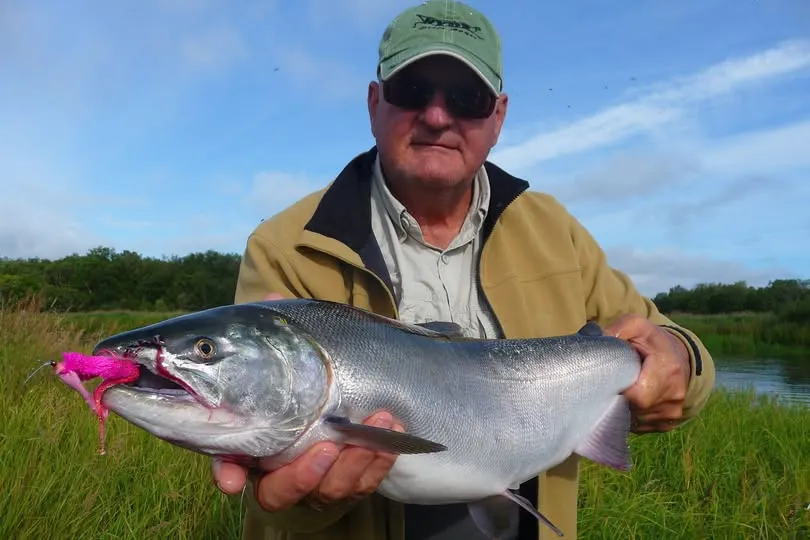
Show Notes with Paul Bowen on Eastern Idahol Stillwater Fly Fishing and Fly Tying
About Paul Bowen
Paul Bowen is a lifelong fly angler, fly tier, guide, conservation volunteer, and educator based in eastern Idaho. He has spent more than 50 years fishing and tying flies throughout the region, with extensive experience on the South Fork of the Snake River, Henrys Lake, Hebgen Lake, and numerous other stillwaters.
Over the years, Paul has guided for respected operations including Henry’s Fork Anglers and South Fork Outfitters while remaining deeply involved with Fly Fishers International, Trout Unlimited, and the Snake River Cutthroats chapter. He continues to teach, tie flies, and participate in the Eastern Idaho Fly Tying Expo each year.
Eastern Idaho Fly Tying Expo and Why It Matters
Paul has been involved with fly tying demonstrations and educational events for decades, including Fly Fishers International conclaves and regional expos. This year’s Eastern Idaho Fly Tying Expo features his PMD emerger on the event pin, a fly based on the Quigley Cripple but modified with his own materials and design choices.
The expo combines fly tying, casting instruction, destination presentations, youth education, workshops, conservation fundraising, and vendor exhibits. It has grown significantly over the years and now attracts fly fishers from across the West.
The PMD Emerger and the Power of UV Materials
Paul’s featured PMD emerger began as a Bob Quigley Quigley Cripple pattern but evolved through years of experimentation. He replaced the original elk hair wing with CDC, added goose biot for the body, and incorporated UV Crystal Flash into both the trailing shuck and body.
One of the biggest themes throughout this conversation was Paul’s belief in UV materials. Fish can see further into the ultraviolet spectrum than humans can, and he has repeatedly found that UV-enhanced flies outperform otherwise identical patterns.
Paul’s PMD Emerger Materials:
- CDC wing
- Goose biot body
- UV Crystal Flash overlay
- UV Crystal Flash trailing shuck
- Quigley Cripple foundation
Stillwater Fishing in Eastern Idaho
When Paul talks lakes, he’s referring to places like Henrys Lake, Hebgen Lake, Mackay Reservoir, Chesterfield Reservoir, Daniels Reservoir, and several smaller waters scattered across southern Idaho. Many of these fisheries offer excellent chironomid, leech, and scud fishing throughout the season.
Unlike river fishing, Paul’s stillwater approach centers on depth control. He commonly fishes three flies under an indicator, allowing him to cover multiple feeding zones simultaneously while targeting suspended trout.
Typical Stillwater Setup:
- Bottom fly: balanced leech or micro leech
- Middle fly: chironomid
- Top fly: chironomid, bloodworm, or scud
Key Waters Mentioned:
- Henrys Lake
- Hebgen Lake
- Mackay Reservoir
- Chesterfield Reservoir
- Daniels Reservoir
- Treasureton area reservoirs
Chironomids, Leeches, and Finding the Right Depth
One of Paul’s most effective stillwater systems starts with a fish finder. Rather than guessing where trout are holding, he locates fish and adjusts his indicator depth accordingly.
Once anchored with both bow and stern anchors, he methodically covers water around the boat, casting indicators out and slowly retrieving them back. If fish are suspended at ten feet, that’s where the flies stay.
Paul’s Chironomid Sizes:
- Size 12
- Size 14
- Size 16
- Size 18
Favorite Stillwater Flies:
- Balanced leeches
- Micro leeches
- Chironomids
- Bloodworms
- Scuds
- Frenchie Chironomid
The Thin Mint Leech and Why Small Tweaks Matter
The Thin Mint Leech remains one of Paul’s confidence patterns. While it resembles a Woolly Bugger, it incorporates three distinct tail colors including mint green, black, and brown, creating a unique profile that trout often respond to.
Paul frequently modifies established fly patterns rather than inventing entirely new ones. His theory is simple: heavily pressured fish see the same flies repeatedly. Sometimes a subtle color change, a different bead, or a small amount of UV material is enough to trigger strikes from fish that have already rejected more familiar offerings.
Favorite Bead Colors:
- Chartreuse
- Fluorescent orange
- Fluorescent pink
- Black
- Brown
Growing Up Around the South Fork of the Snake
Paul’s fly fishing journey started in the late 1970s after buying an inexpensive fly rod and a handful of flies from a sporting goods store. A friend convinced him to skip the large flies he was accustomed to using with spinning gear and instead start with size 16 patterns. That advice changed everything.
Not long afterward, he received a beginner fly-tying kit and taught himself to tie Adams flies using a simple instructional book. Decades later, he’s still tying, teaching, and experimenting with new patterns.
Paul’s Early Fly Fishing Setup:
- Budget fly rod and reel
- Level fly line
- 3-pound leader
- 12 flies
- Size 16 Adams patterns
Conservation, Fly Fishers International, and Trout Unlimited
Paul is a life member of both Fly Fishers International and Trout Unlimited. Through organizations like the Snake River Cutthroats chapter, he has participated in stream restoration, tributary improvements, roadside cleanups, and conservation projects throughout eastern Idaho.
The Eastern Idaho Fly Tying Expo helps support these efforts by generating funds for restoration materials, fencing projects, and ongoing fisheries work. The event also continues a tradition that traces back to the early Fly Fishers International conclaves that helped shape fly fishing education across North America.
Five Flies to Fish Eastern Idaho Lakes This Year
When asked to narrow it down, Paul pointed anglers toward a handful of proven stillwater patterns that consistently produce on waters throughout the region. If you’re planning a trip to Henrys Lake, Hebgen, Mackay, or the surrounding reservoirs, these flies belong in your box.
Paul Bowen’s Must-Have Lake Flies:
- Micro Leeches
- Full-Size Leeches
- Chironomids
- Bloodworms
- Scuds
Typical Sizes:
- Size 12
- Size 14
- Size 16
- Size 18
This episode is brought to you by Yellowstone Teton Territory. Make sure to check them out when visiting Idaho.
Conclusion with Paul Bowen on Eastern Idahol Stillwater Fly Fishing and Fly Tying
This episode is a reminder that even after fifty years on the water, there is always something new to learn. Whether it’s a small material change, a new chironomid variation, or a conversation with another fly tier, the pursuit never really ends.
If you’re interested in stillwater fly fishing, fly design, or connecting with some of the best fly tiers in the West, this conversation with Paul Bowen offers plenty of ideas to take back to your own waters.