


Fly fishing Eastern Idaho is all about timing. Hit the river during the right hatch, find the right feeding lane, and a good day can turn into one you’ll remember for years.
I sat down with Elden Berrett, a longtime eastern Idaho guide, fly designer, and tier who spent more than 25 years guiding on the South Fork Snake, Henry’s Fork, Yellowstone waters, Hebgen Lake, and the Teton.
We talked about the East Idaho Fly Tying Expo, some of his most productive fly patterns, the famous salmon fly hatch, and what he’s learned from decades on some of the best trout water in the West.


Find the show: Follow the Show | Overcast | Spotify
(The full episode transcript is at the bottom of this blogpost)
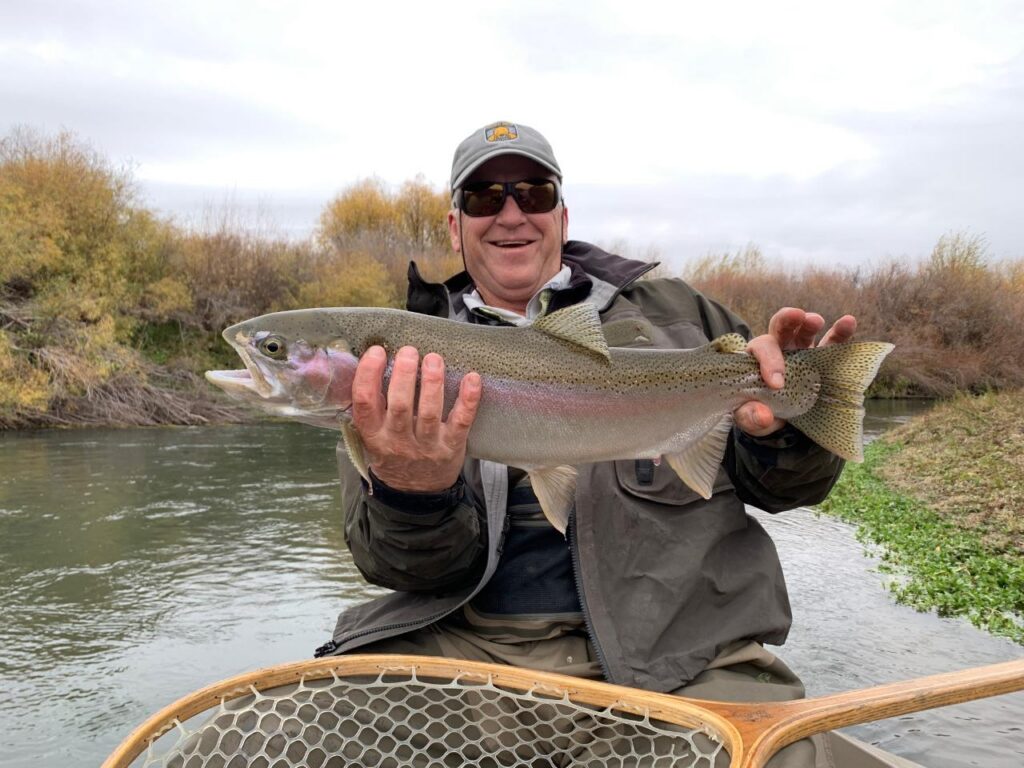
Show Notes with Elden Berrett on Fly Fishing Eastern Idaho
Elden Berrett shares stories and lessons from a lifetime spent fishing eastern Idaho’s legendary rivers. We cover the South Fork Snake River, Henry’s Fork, famous insect hatches, fly design, trout behavior, guiding history, and conservation efforts to protect one of the world’s most important wild cutthroat fisheries.
The East Idaho Fly Tying Expo
(02:00) Elden recently tied at the East Idaho Fly Tying Expo, spending both Friday and Saturday mornings demonstrating patterns. He also taught a workshop focused specifically on flies he likes to fish with on the South Fork of the Snake River.
The workshop ended up being a small group with only three participants, which allowed him to spend more time one-on-one helping each person improve their tying techniques.
Fly Fishing Eastern Idaho: The South Fork Salmon Fly Hatch
(04:51) The giant salmon fly hatch remains one of the biggest events in Eastern Idaho fly fishing.
The hatch usually starts on the lower river in late June and slowly works its way upstream, eventually reaching the dam around mid-July. Elden said it’s one of the busiest times of the year on the river, where everyone is hoping to hit that perfect window when giant salmon flies start showing up in numbers.
One interesting thing about the hatch is that the best fishing often occurs just before or after the peak. When the hatch is in full swing, there can be so many bugs on the water that the fish simply fill up and stop feeding aggressively.
But as the hatch begins to fade, the feeding can pick right back up.
Watch this video of Fishing the Salmon Fly Hatch with Elden Berrett:
One thing Elden sees anglers miss is focusing too much on the banks. Sure, salmon flies collect along shore, but he says trout also key in on feeding lanes created by seams and current breaks.
These food highways can form well away from the bank and often hold some of the river’s best fish.
His advice? Watch the water before you cast. Find where the bugs are gathering, and you’ll often find the trout too.
Elden Berrett’s Pteronarcys Orange
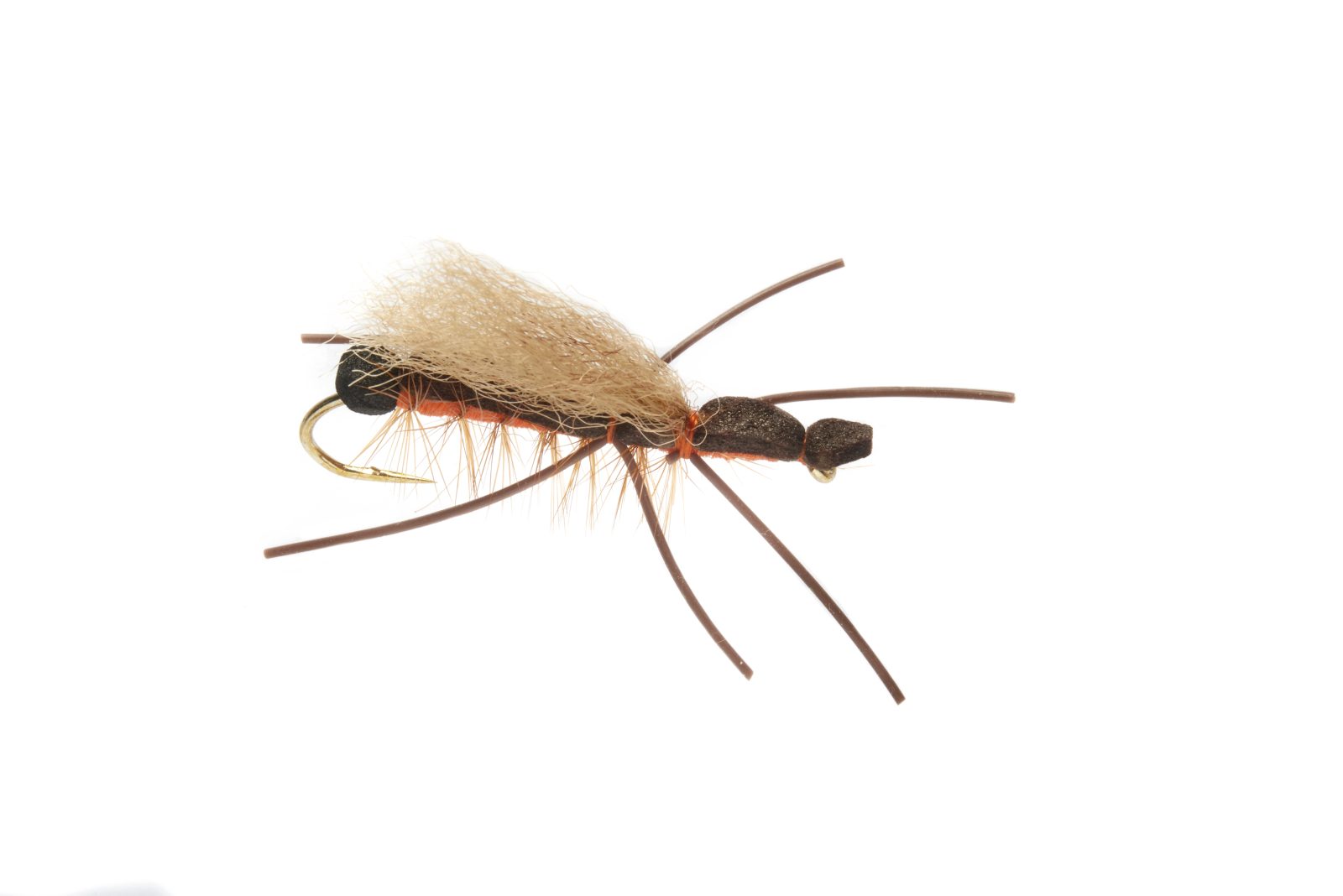
(14:16) Elden’s Pteronarcys Orange pattern imitates a fluttering female salmon fly returning to the river to lay eggs. After mating, females carry visible egg clusters and often struggle to regain flight after touching the water. They flutter helplessly downstream, becoming easy targets for trout.
The fly incorporates several specific materials:
- UV black dubbing to imitate the egg sac.
- Z-Lon body material for buoyancy.
- Palmered brown hackle for segmentation.
- Multiple rubber legs for movement.
- EP fibers for the wing.
- Alaska brown bear hair on Elden’s personal versions.
The Mother’s Day Caddis Hatch
(18:21) The salmon fly hatch gets all the hype, but Elden says the Mother’s Day Caddis hatch can be just as good. Around mid-May, rivers like the Henry’s Fork and South Fork can be covered with caddis.
One of Elden’s favorite flies is his Mother’s Day Caddis pattern, which features a trailing shuck that imitates an insect struggling to hatch. He believes that’s often the trigger that gets trout to eat.
And when the caddis aren’t the main event, blue-winged olives and March Browns are usually in the mix too. For those larger mayflies, Elden says a simple Parachute Adams often gets the job done.

Eastern Idaho Hatches You Should Know
Once the salmon flies wrap up, Eastern Idaho still has plenty of bugs on the menu.
Elden walked through a few of the hatches he watches closely every year, along with the flies he trusts when trout start keying in on them.
Pale Morning Duns (PMDs)
The South Fork’s PMD hatch used to be one of the biggest events of the summer. Elden says a Pink Cahill is still one of the best ways to match these bugs.
He remembers when anglers would spend entire days fishing riffles during the hatch. Trout would move into surprisingly shallow water to feed, including some very large fish.
Green Drakes
As the salmon fly hatch begins to fade, Green Drakes start showing up on the lower sections of the South Fork.
According to Elden, this can be one of the most productive dry fly periods of the season.
Brown Drakes on the Henry’s Fork
The Henry’s Fork has its own famous hatch.
Brown Drakes usually start coming off in the evening around 5 p.m. and continue until dark. For many anglers, it’s one of the best times of the year to be on the river.
Flavilinea and the Morning Spinner Fall
One hatch that doesn’t get talked about as much is the Flavilinea.
- The hatch typically starts in the evening.
- The following morning often brings a strong spinner fall.
- Trout will gather in tailouts and slick water to feed on the spent insects.
After seeing fish feeding heavily on these bugs, Elden created a rusty spinner pattern that’s become one of his most productive flies.
Connect with Elden Berrett
Want to see more of Elden’s fly patterns, tying work, and updates from Eastern Idaho?
Instagram: @eldenberrett
You can also find several of Elden’s patterns through Fulling Mill.
This episode is brought to you by Yellowstone Teton Territory. Make sure to check them out when visiting Idaho.