

In this episode on classic salmon fly tying, I sat down with Marvin Nolte, a guy who’s been at the vise since the 1970s and has tied over 2,000 classic Atlantic salmon flies. We get into what it really takes to tie these patterns, why most people don’t stick with it, and how a random Christmas gift turned into a decades-long obsession.
We also dig into one of the wildest stories in fly tying, the massive Granger collection, and what it says about craftsmanship, patience, and going deep into the details.


Find the show: Follow the Show | Overcast | Spotify
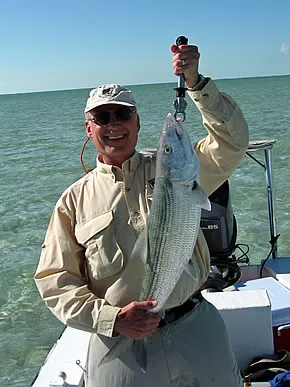
Show Notes with Marvin Nolte on Tying Atlantic Salmon Flies
Getting Started: A Christmas Gift That Changed Everything
Marvin didn’t start as a fly angler. He got a fly tying kit as a Christmas gift in 1974 and decided to give it a shot. That curiosity turned into something much bigger. He worked through every fly style he could find before landing on classic Atlantic salmon flies, the category that stuck.
- Started tying in 1974
- Learned across all styles before specializing
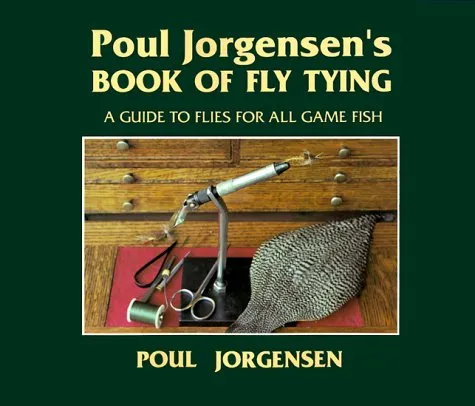
- Book that changed everything: tying classics
Why Classic Salmon Flies Are So Hard
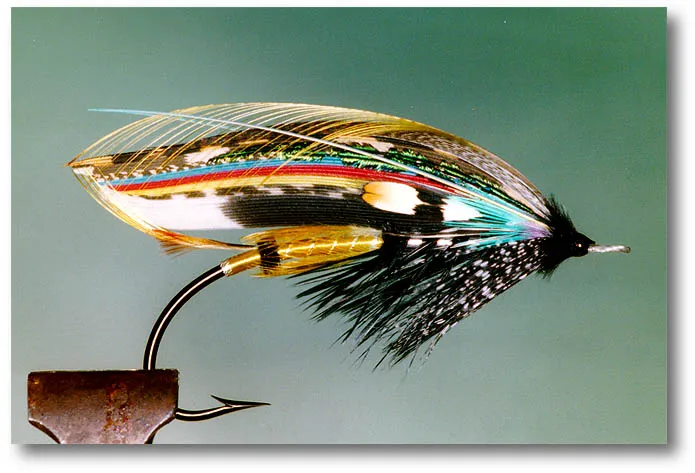
These flies aren’t just complicated. They demand total control. You’re managing proportions, thread tension, and dozens of materials, all while keeping everything balanced and clean. And unlike trout flies, there’s no shortcut.
- 2.5 hours for a “simple” salmon fly
- Up to 30–40 materials on a single hook
- Precision matters more than speed
Marvin says it comes down to repetition. No tricks, no shortcuts, just time at the vise.
The 10% Rule: Why Most People Quit
One of the biggest takeaways here is how few people actually stick with it. Marvin estimates only about 10% of people who try classic salmon flies continue long-term. Not because they lack skill, but because of the time commitment.
- Long tying times (hours per fly)
- High frustration early on
- Requires patience over instant results
But if you stick with it, the skills carry over to everything else.
- Better thread control
- Cleaner trout flies
- Stronger understanding of proportions
The Grainger Collection: 342 Flies Over Five Years
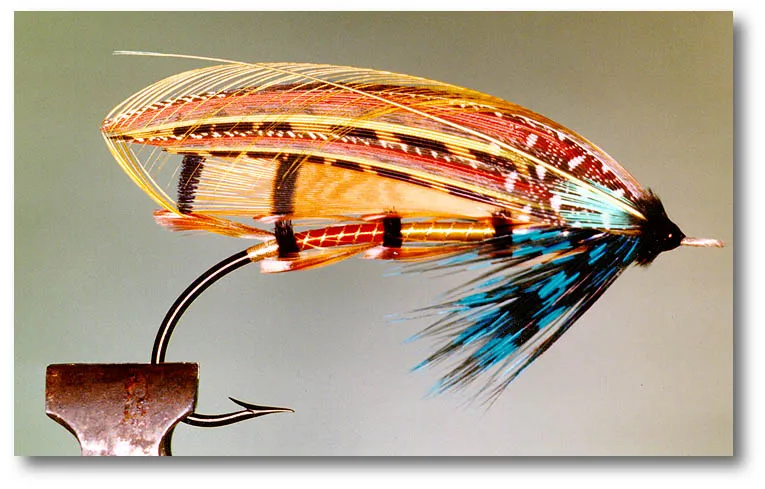
This is one of the craziest stories in the episode. A customer, Tom Grainger, asked Marvin to tie one of every salmon fly. That turned into a five-year project.
- 342 framed flies total
- 6 flies delivered per month
- Largest known collection of its kind
Each fly was framed identically, making the collection instantly recognizable.
The Reality of Rare Materials
This is where things get interesting and controversial. Many classic patterns call for rare or exotic feathers like:
- Red ruffed fruitcrow
- Toucan
- Spangled cotinga
- Kori bustard
- Jungle cock
But Marvin is clear: you don’t need the exact materials.
- Substitutions are completely acceptable
- Visual look matters more than exact species
- Most people will never know the difference
This ties directly into the story behind The Feather Thief.
- Some tiers chase authenticity at all costs
- Others focus on practicality and creativity
Marvin firmly lands on the side of substitution.

Favorite Patterns to Tie
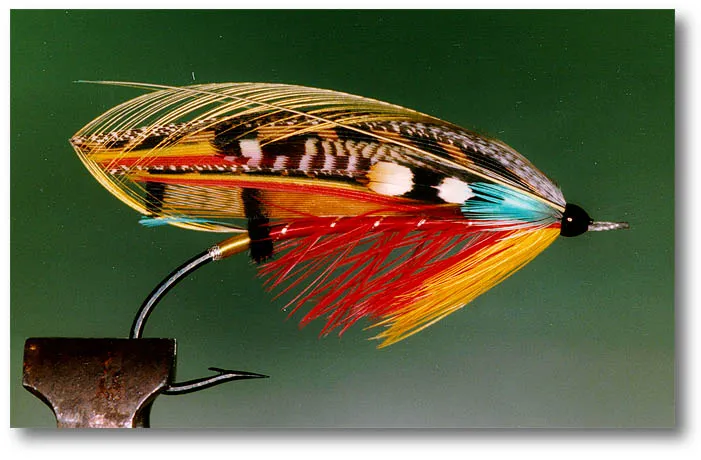
After thousands of flies, Marvin still has a handful he enjoys most. Some of his favorites:
- Silver Wilkinson
- Kate
- Mar Lodge
- Helmsdale Doctor
- Green Highlander
Each one offers something different, either in materials, technique, or overall look.
Can You Actually Fish These Flies?
Short answer: yes, but most people don’t. These flies are more about art than function today. But they can still catch fish.
- Often tied for display
- Fishable versions are usually “reduced” patterns
- Sparse flies tend to perform better
If you want to try it, tie a simplified version and get it in the water.
Events, Community, and Learning in Person
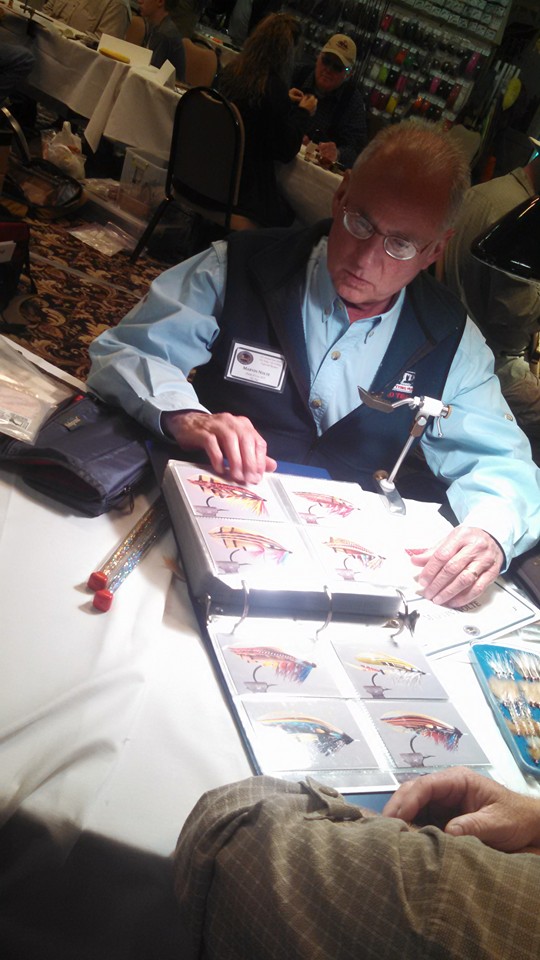
One of the best ways to learn is still face-to-face. Marvin regularly ties at the East Idaho Fly Tying Expo, where tiers gather, share techniques, and connect.
- Dozens of tiers in one place
- Great for learning techniques quickly
- Strong sense of community
You can reach Marvin Nolte via email at [email protected].
Conclusion with Marvin Nolte on Tying Atlantic Salmon Flies
This one really shows how deep fly tying can go if you let it. Marvin’s story is a reminder that mastery isn’t about shortcuts. It’s about time, repetition, and enjoying the process. Whether you tie one salmon fly or a hundred, there’s something in here that’ll make your next fly better.