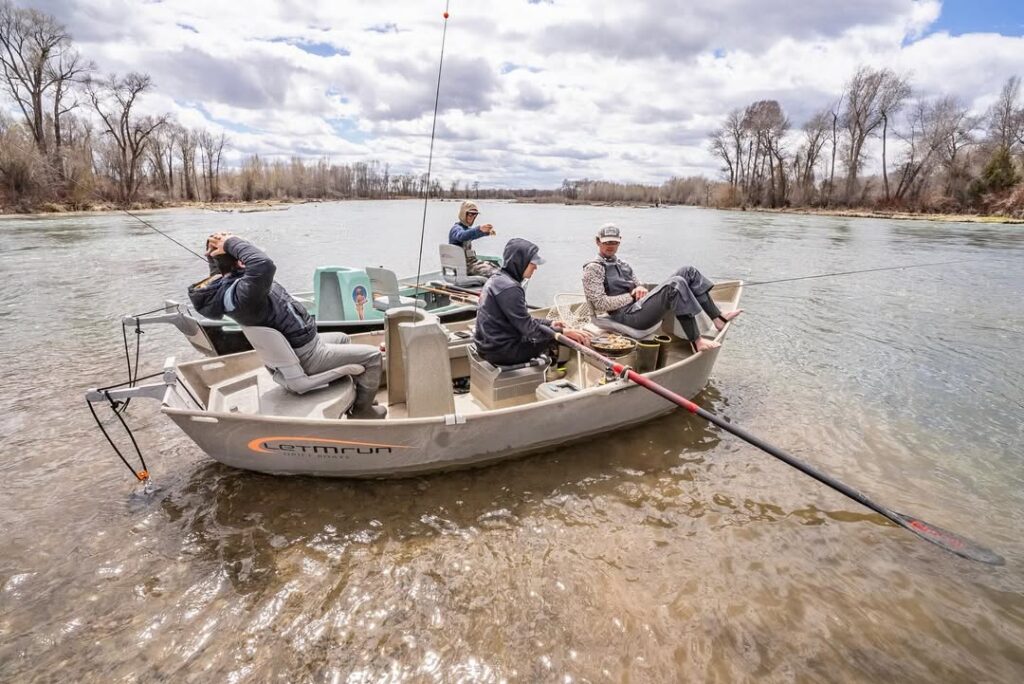

Not every trout river fishes the same, and eastern Idaho might be one of the best places to see that firsthand. In this Traveled episode, we head back to Teton Valley Lodge with Brian Berry to explore how the South Fork Snake, Henry’s Fork, and the Teton River each bring a completely different challenge depending on flows, seasons, and how you approach the water from a drift boat.
Brian walks us through how fishing changes throughout the year—from winter nymphing and streamer tactics to the explosive Mother’s Day caddis hatch and summer dry-dropper fishing. We dig into boat positioning, reading subtle holding water on technical rivers like the Henry’s Fork, and why staying flexible with river choices is often the key to a successful trip in eastern Idaho.


Find the show: Follow the Show | Overcast | Spotify
Episode Recap
00:00 – 01:30 — Eastern Idaho Offers Three Completely Different Trout Rivers in One Destination
The South Fork Snake, Henry’s Fork, and Teton River fish differently every day of the year, allowing guides to adjust locations based on flows, hatches, and seasonal conditions.
04:03 – 07:59 — Rafts Became Essential Because Big Water Destroys Drift Boats
Whitewater sections and remote canyon access pushed guides to develop raft systems that handle rapids safely while still allowing effective fly fishing.
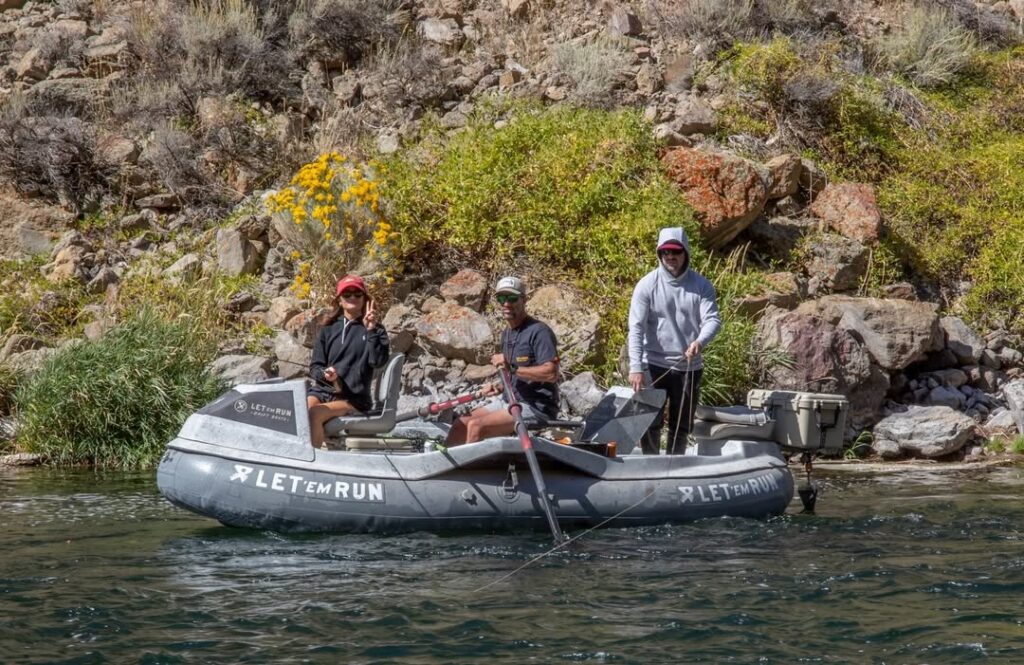
16:16 – 18:19 — Big Rivers Require Safer Boat Choices Than Smaller Streams
The South Fork’s size and hydraulics make drift boats safer than skiffs for many anglers because stability matters more than maneuverability in large flows.
18:31 – 19:22 — Flexibility Is the Key to Planning Western Fly Fishing Trips
Water conditions change yearly, so successful trips focus on adapting to whichever river is fishing best rather than locking into one destination months ahead.
20:22 – 22:12 — Winter Fishing Focuses on Nymphs, Eggs, and Streamers
Cold-season fishing relies on subsurface patterns like eggs, stoneflies, worms, and mayfly nymphs because dry fly opportunities are limited.
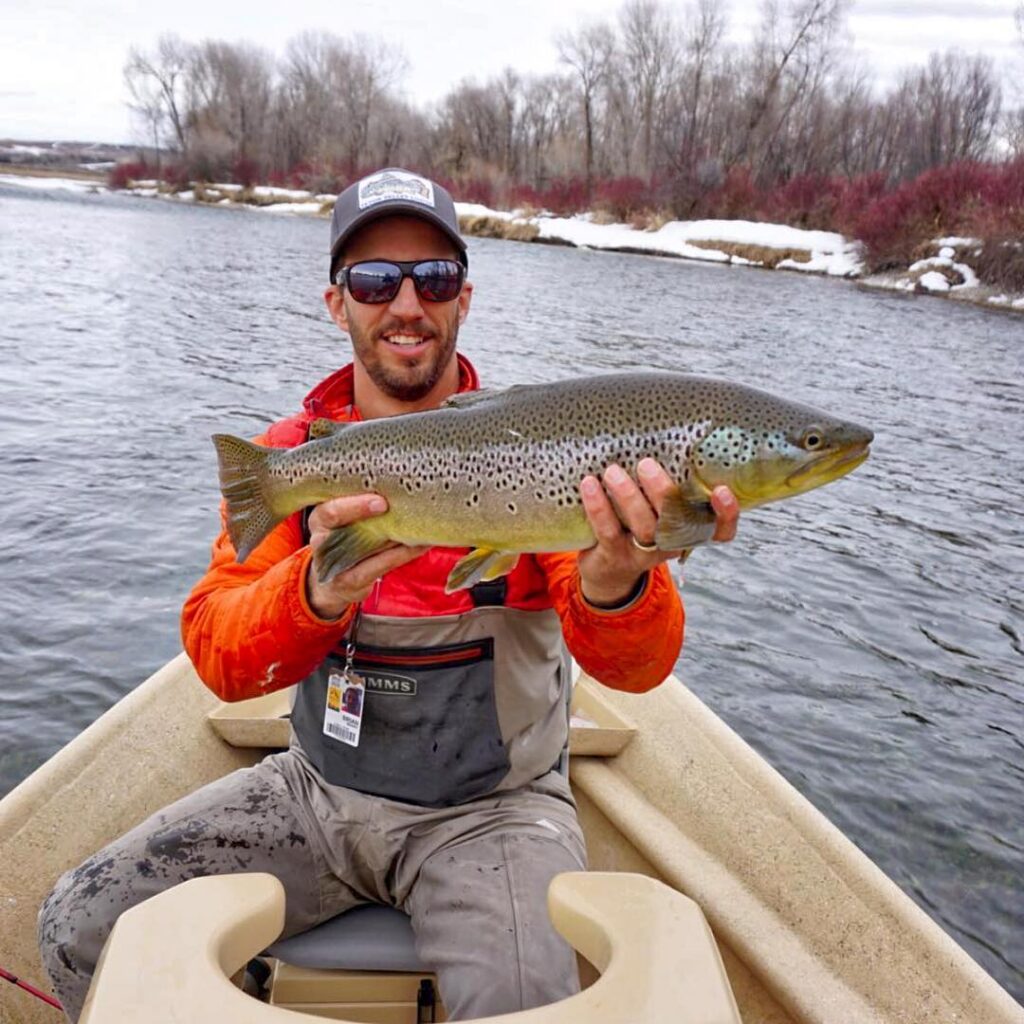
26:35 – 27:31 — The Mother’s Day Caddis Hatch Creates Massive Feeding Events
Huge clouds of caddis bring explosive trout feeding and less crowd pressure compared to later salmonfly and green drake hatches.
30:22 – 30:52 — Caddis Don’t Drift Perfectly—Movement Triggers Eats
Unlike mayflies, caddis bounce and skate on the surface, so slight motion or skating flies can produce aggressive strikes.
33:29 – 34:13 — Set Indicator Depth at 1.5× the Water Depth
A reliable rule is setting the indicator about one and a half times the depth to keep flies near the bottom where trout hold.
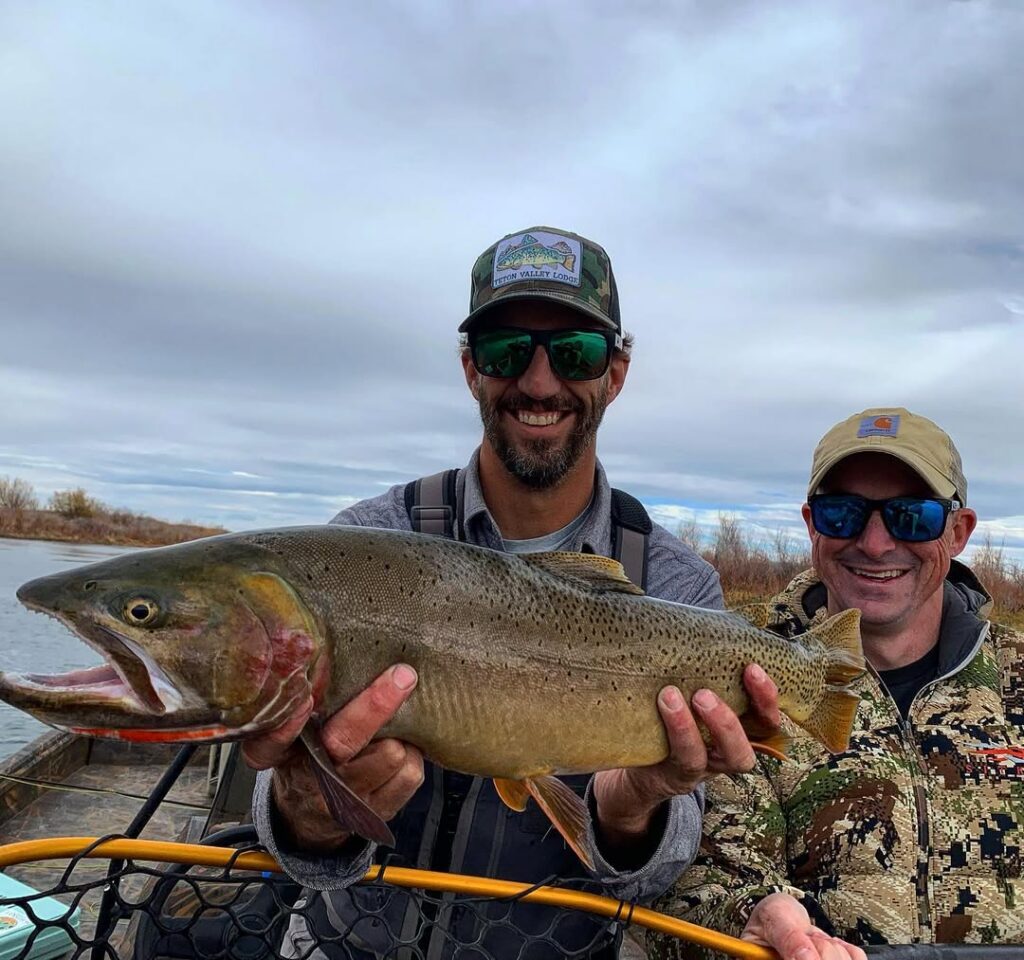
34:29 – 36:18 — Henry’s Fork Trout Hold in Subtle Depressions Across the Entire River
Fish aren’t just near banks; even six-inch depth changes mid-river create holding water, making this one of the West’s most technical fisheries.
41:12 – 43:29 — Teamwork in Drift Boats Creates Longer, Better Drifts
Anglers should alternate upstream casts so both fishermen achieve long natural drifts without tangles or shortened presentations.